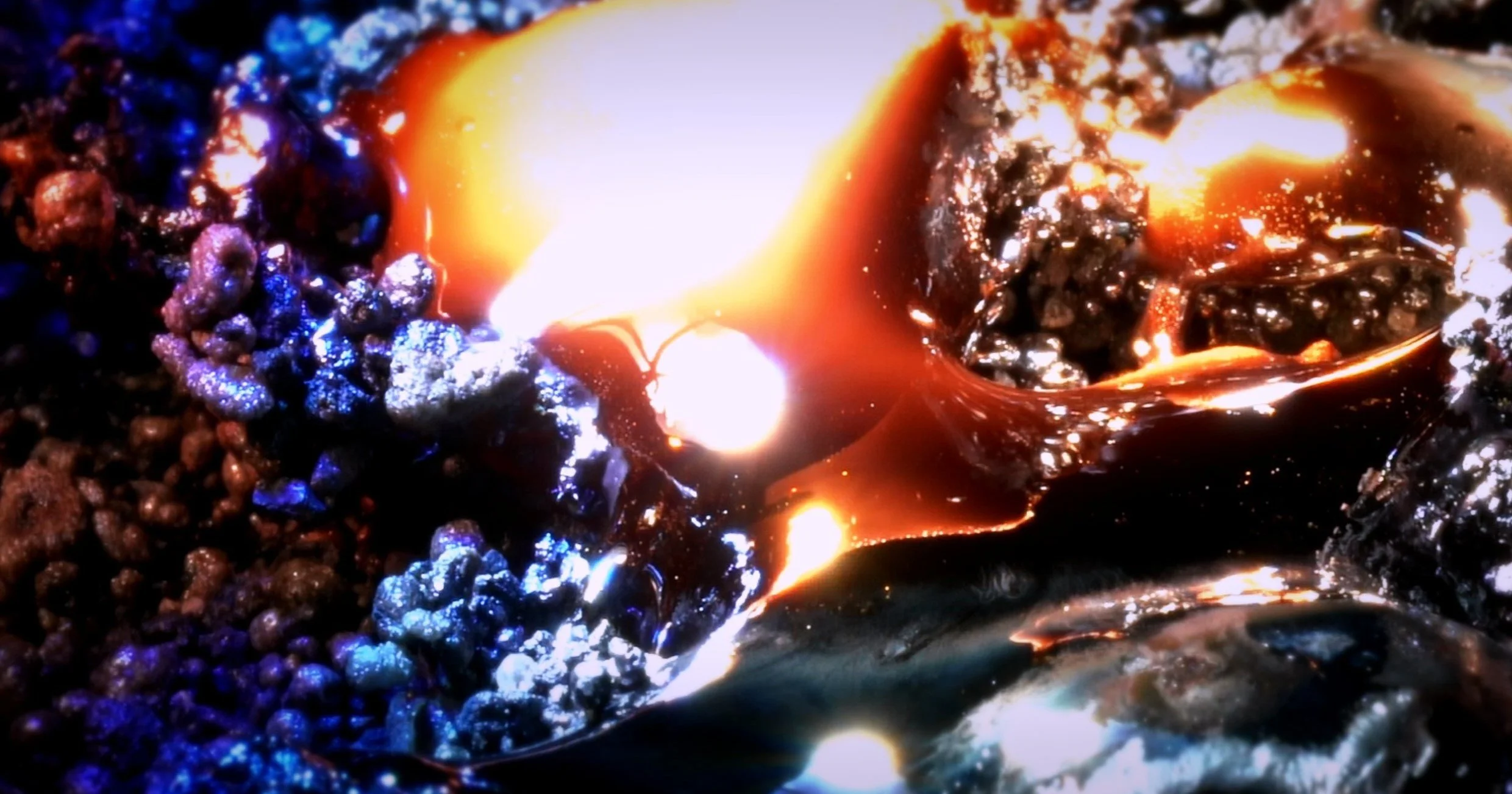
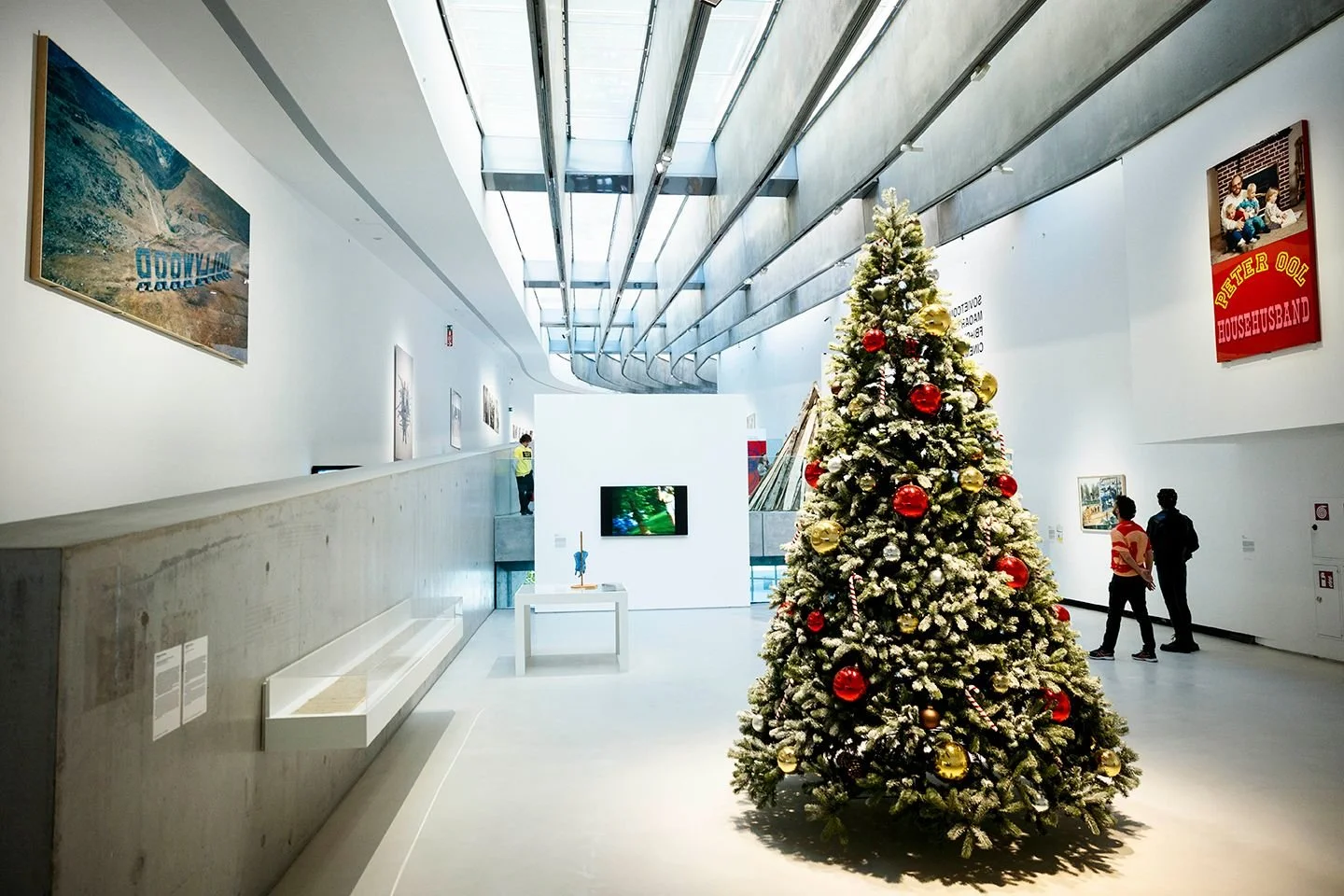
Rirkrit Tiravanija in 'Show & Tell: An Exhibition for Kids'

Rirkrit Tiravanija
November 20, 2025 – April 5, 2026 | Walker Art Center, Minneapolis
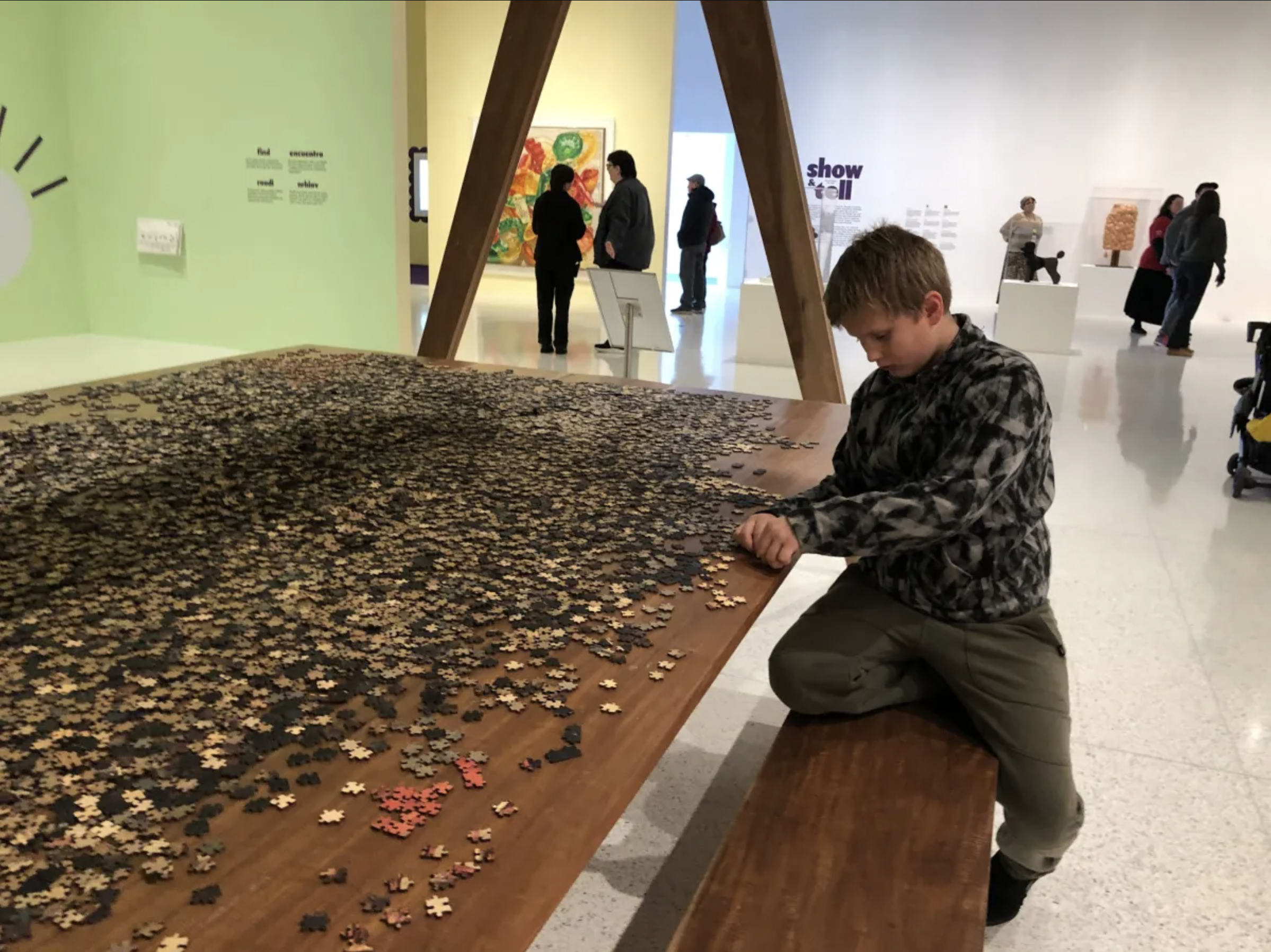
Harold with Rirkrit Tiravanija’s “Untitled 2006 pavilion table and puzzle representing the famous painting by Delacroix La Liberté Guidant le Peuple 1830.” Photo Credit: Sheila Regan of the Minneapolis Post

Show & Tell is an exuberant, hands-on exhibition designed just for kids!

Built around five exploratory zones—Play, Make, Find, Read, and Watch—Show & Tell encourages young people to approach contemporary art with creativity and imagination. Where Cas Holman’s Critter Party (2024) offers a sculpture to touch, climb on, and modify, Caroline Kent’s colorful abstractions inspire kids to create their own collages to project in the gallery. A porthole wall reveals a trove of hidden surprises, from a miniature Spoonbridge and Cherry to a family of funky creatures. And in the comfy “Watch” zone, a varied selection of short films prompts curiosity and conversation.

With vibrant graphics and thoughtful spatial design, Show & Tell is an exhibition full of tiny worlds, tall tales, and endless stories.
More Info

Stolon Press in Gateway 2025: 'Seeds of Memory - Migration as Ceremony, Survival, and Renewal'

Stolon Press (Simryn Gill)
November 19-23, 2025 | Manarat Al Saadiyat, Abu Dhabi

Stolon Press
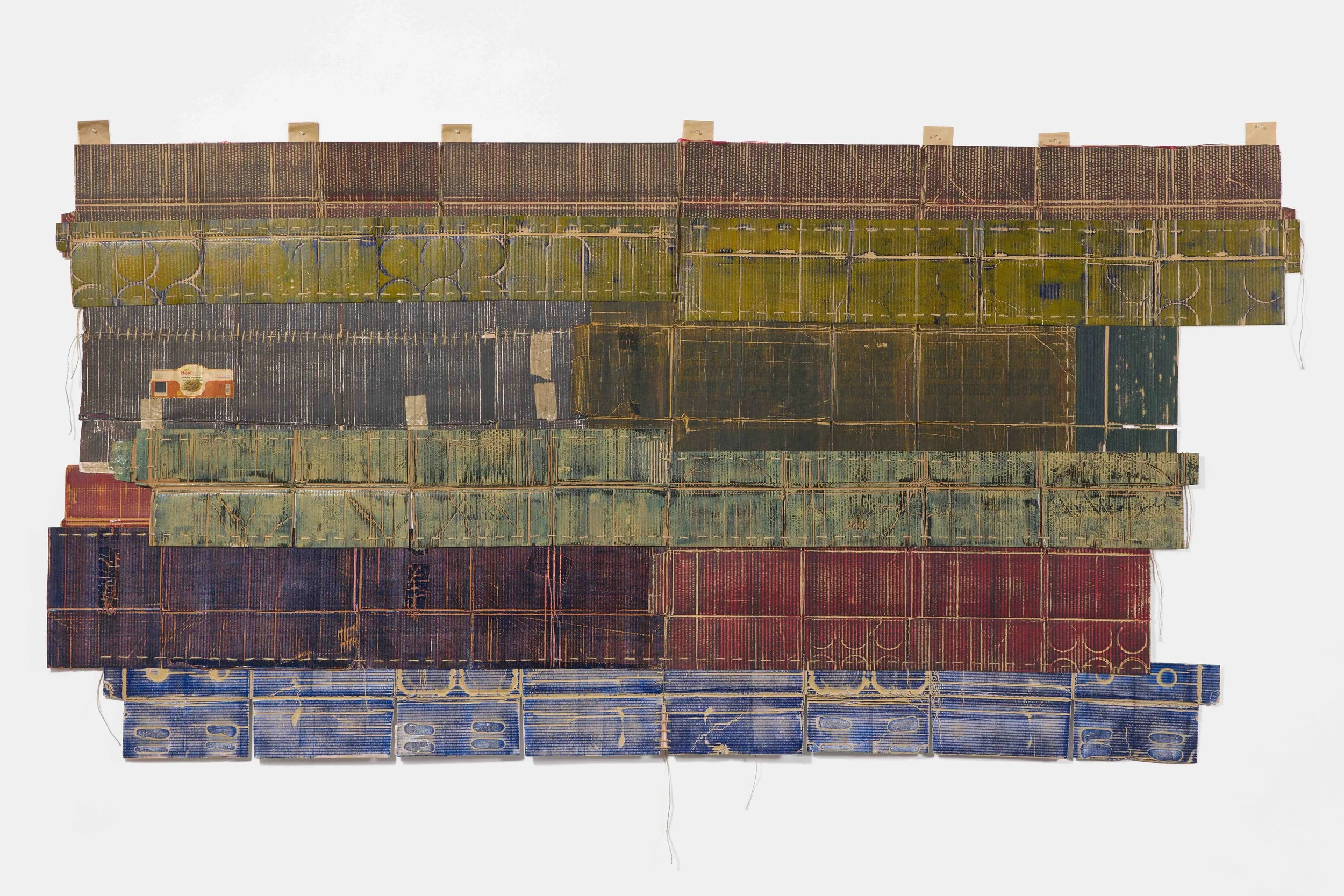
Mixed Business No. 1, 2025
cardboard boxes (Missile Apples, South Australia; Durra Sunflower Oil, Malaysia; Tahineh, Kalaajieh, Lebanon; Moloky Thyme, Zaidan al Ammouri and Sons, Jordon; Royal Fields Stuffed Vine Leaves, Turkey; Wagh Bakri, Special International Blend Tea, Ahmedabad, India; Best Taste Pickled Cucumber, Iran; Duru Fine Bulgur, Turkey), etching ink, jute thread
110.24 x 62.99 inches

Gateway is an art exhibition held each November at Manarat Al Saadiyat during the Abu Dhabi Art Fair. Curated by Brook Andrew, the exhibition presents local and international artists through a distinctive curatorial lens. The exhibition is sponsored by Abu Dhabi Art’s Global Partner, HSBC.

The 2025 edition, titled Seeds of Memory - Migration as Ceremony, Survival, and Renewal features Betty Muffler, Issam Kourbaj, Leila Shirazi, Mohamed Majeed Almubarak, Natalia Papaeva and BANG ON Collective, Nomasmetaforas, Stolon Press, Sa Tahanan Co., & Vincent Namatjira 

Migration is a powerful term that encompasses a vast array of experiences across life and the universe. It includes the movement of water, seeds, animals, cultures, people, and their intertwined histories. These migrations—whether visible or invisible, physical or symbolic—are often deeply personal, evoking complex emotions and connections. They serve as profound metaphors for change, survival, and transformation. For Abu Dhabi Art 2025, curator and artist Brook Andrew delves into migration not only as a physical action but also as a poetic and political force. He explores it as a means to inspire and reminisce, to reflect on our place in the world, and to engage with others through performance, storytelling, and diverse cultural expressions. His curatorial vision invites audiences to participate in migration as an evolving and collective memory, one that can be celebratory, challenging, and healing—all at once. Through this lens, migration becomes a universal and shared human experience. 

More Info

Ana Prvački in 'Phallus :: Fascinum :: Fascism'

Ana Prvački
November 15, 2025 – January 17, 2026 | The Box, Los Angeles

Ana Prvacki, Penis bonus pax in domus, 2017
Bronze, gold patina
8.8 x 5.5 x 3.1 inches
Ed. of 5

The Greek root φαλλός (phallos) is likely related to the Proto-Indo-European root bhel-, meaning “to blow up” or “swell,” which connects it to concepts of inflation or enlargement. This same root appears in other words related to swelling or fullness, such as balloon, bellows, or belly.

A fascinum was an ancient Roman style of an amulet of a phallus, designed to draw away the evil eye from the user towards the amulet (because it was an object of desire). The English word "fascinate" ultimately derives from Latin fascinum and the related verb fascinare, "to use the power of the fascinus", that is, "to practice magic" and hence "to enchant, bewitch, or bind together”.

In ancient Rome, the fasces were a ceremonial symbol of authority carried before magistrates. They consisted of birch or elm rods bound together with a leather strap, often with an axe head protruding from the bundle. The fasces represented the magistrate’s power to punish (the rods for beating) and execute (the axe for beheading). 

Benito Mussolini adopted this terminology when he founded the “Fasci di Combattimento” (Combat Squads) in 1919. The name deliberately evoked both the ancient Roman symbol of state power and the more recent tradition of Italian political organizing.

Now, I would like to draw your attention—at length—to the history of Ancient Roman militarism and fucking, or the suppression of non-procreative sex, if you please:

The endless demands of Roman militarism created an inexorable pressure for population growth that fundamentally transformed sexual culture and law. What began as pragmatic concerns about maintaining adequate military recruitment gradually evolved into a comprehensive system of legal and social controls that systematically suppressed non-procreative sexual behaviors. This transformation reached its culmination not with the end of paganism, but with Christianity’s adoption and intensification of these existing regulatory frameworks. 

More Info

Kirsten Everberg in INCOGNITO for Institute for Contemporary Art, Los Angeles

Kirsten Everberg
November 15, 6-11pm | Hauser & Wirth, Downtown Los Angeles

INCOGNITO is back for its 16th iteration in support of the Institute of Contemporary Art, Los Angeles.

Hosted by Hauser & Wirth Downtown Los Angeles, Kirsten Everberg joins over 300 artists—both established and emerging—have each contributed 12 x 12-inch works of art in any medium of their choosing. All works generously donated by the artists are sold for $750 each, regardless of their current market or whether they have been working for decades or recently graduated. To further underscore INCOGNITO’s foundation of equity and playfulness, all artists remain anonymous—or incognito—their identities only revealed after the purchase of their work. 

Whether you are an avid collector or a first-time buyer, INCOGNITO is a fantastic opportunity to add new and original works of art to your collection. Guests are encouraged to use their eyes, follow their hearts, and trust their instincts to make their selections! 

All proceeds from INCOGNITO support ICA LA’s roster of dynamic exhibitions and Learning & Engagement programs and allow us to keep them free to the public. 

More Info

Rirkrit Tiravanija in 'Forms of Encounter'

Rirkrit Tiravanija
November 14-30, 2025 | Organized by STPI at Central Chidlom, Bangkok

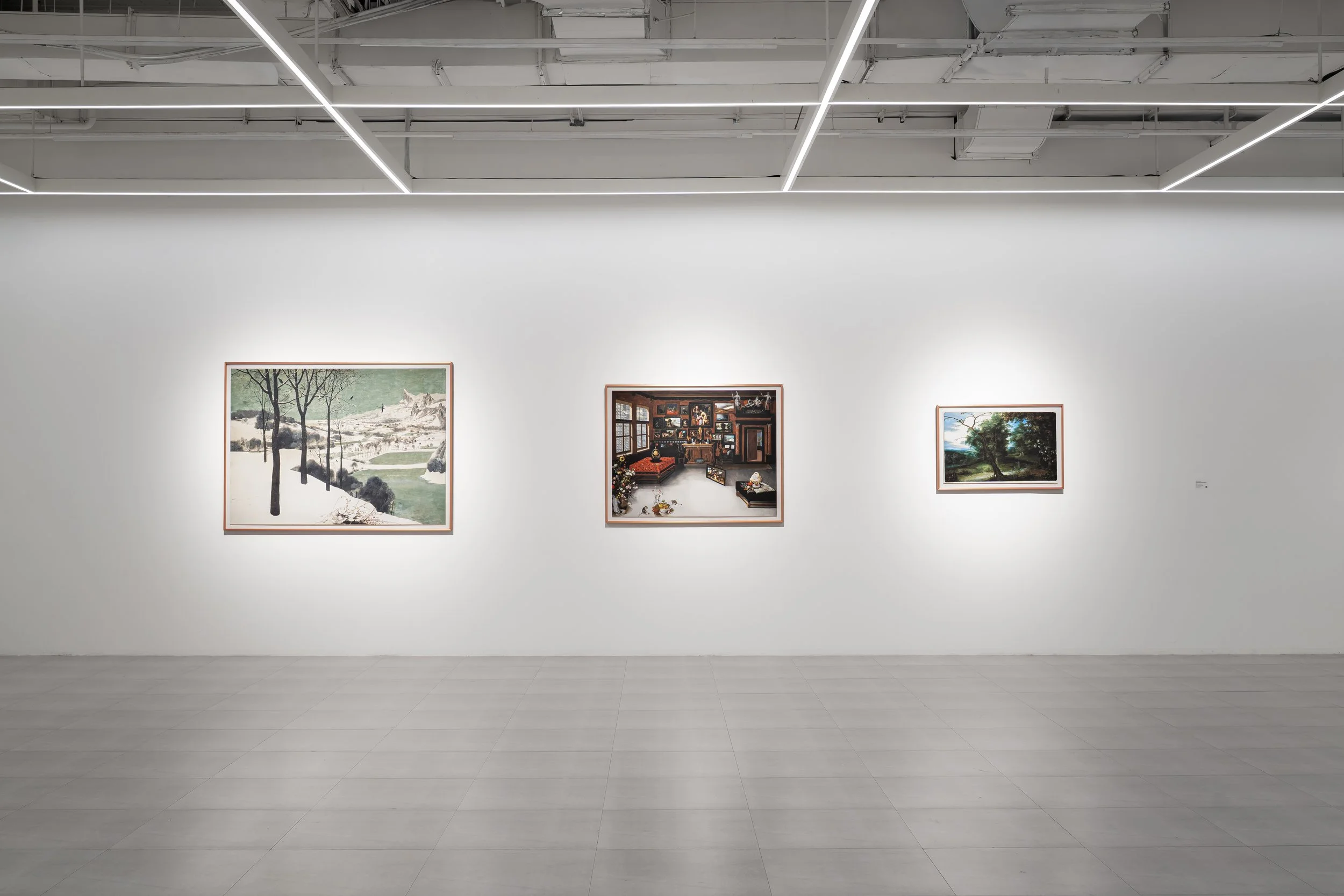
Presented on the occasion of the 60th anniversary of diplomatic relations between Singapore and Thailand, Forms of Encounter brings together six leading voices in contemporary art: Heman Chong, Charles Lim Yi Yong, Pinaree Sanpitak, Rirkrit Tiravanija, Natee Utarit, and Suzann Victor. Developed through individual residencies at STPI, the works on view reflect the depth of engagement that each artist has shared with the workshop, bringing into focus the different ways in which artistic inquiry unfolds when supported by time, technique, and space for experimentation. 

Across the exhibition, correspondences emerge gradually. Some works trace the residue of spaces, gesture or memory; others pare down language into sign, rhythm, or delay. The impression is one of proximity rather than sameness—parallel intensities each shaped by a distinctive sensibility that underscores a shared commitment to the rigor of making. A subtle dialogue emerges between the works, not through convergent themes, but through a common attention to process. These are practices grounded in material inquiry: folding, layering, staining, casting, and imprinting. Surfaces are worked and reworked to uncover what might appear through repetition, resistance, or the unexpected behavior of a substrate. 

In this respect, resolution is found in the layered experience of the exhibition itself, in the way the works reveal different facets in proximity, each encounter building upon the last. Across gestures, surfaces, and temporalities, meaning accrues gradually, shaped by attention and sustained looking. Here, Forms of Encounter speaks not only to the coming together of discrete practices, but also to the manifold ways in which art engages: as process, as presence, as relation.  

More Info

Blake Rayne at Miguel Abreu

Blake Rayne
November 13, 2025 - January 10, 2026 | Miguel Abreu, New York

Relay (Transduction Protocol 01 : Spit Test), 2025
Oil, acrylic, spray paint, synthetic fabric on canvas
88 x 58 inches (223.5 x 147.3 cm)

Blake Rayne’s paintings are structured by the generative duplicity of words like script, folder, application, dissolve, and screen. These operative terms locate the work between structures of linguistic description and the history of reflexive material procedures. Rayne begins from an orientation that would consider the terms ‘painter’ and ‘painting’ as signs—that is, as fictions. They have no stable material definition, but rather are shaped by linguistic, institutional, and physical relations. Rayne’s mode of abstract painting is irrevocably marked by conceptual art. Here, context is constitutive. The exhibition is Blake Rayne’s eighth one-person exhibition with Miguel Abreu.

More Info

Rirkrit Tiravanija in the 15th Shanghai Bienniale 'Does the flower hear the bee?'

Rirkrit Tiravanija
November 8, 2025 - March 31, 2026 | Power Station of Art, Shanghai

Rirkrit Tiravanija, untitled 1992 (cure), installation view, Exit Art, New York, USA (1992)

Launched in 1996, the Shanghai Biennale is not only the first international biennial of contemporary art on the Chinese mainland, but also one of the most influential in Asia. In 2012, the Power Station of Art became the main organizer and permanent exhibition location of the Shanghai Biennale.

The Biennale takes its cue from recent scientific discoveries about the interactions between different life forms. Like the flower that “hears” the bee’s wings, this exhibition aims to operate at the intersection of differing models of intelligence, both human and nonhuman. It is based on the belief that recent art provides us with a privileged space for such investigations, offering an embodied and interconnected sphere in which communities may form stronger bonds with what eco-philosopher David Abram has called “the more-than-human world.”

We live in a moment of great uncertainty and global emergency that has given rise to a widespread sense of disorientation. Our world is transforming at a pace that eludes our capacity for comprehension, leaving us feeling bewildered and uncertain. If a return to the past is impossible, art offers us potential pathways out of despair and malaise, helping us to find emergent forms-of-life and new modes of sensorial communication amid this instability.

Conceived in dialogue with the ideas of artists, curators, intellectuals, musicians, poets, scientists, and writers, Does the flower hear the bee? recognizes that much depends on our capacity to sense the world around us and attune ourselves to its diverse array of intelligences. Its hopeful vision rests on art’s ability to orient us towards an unknown future.

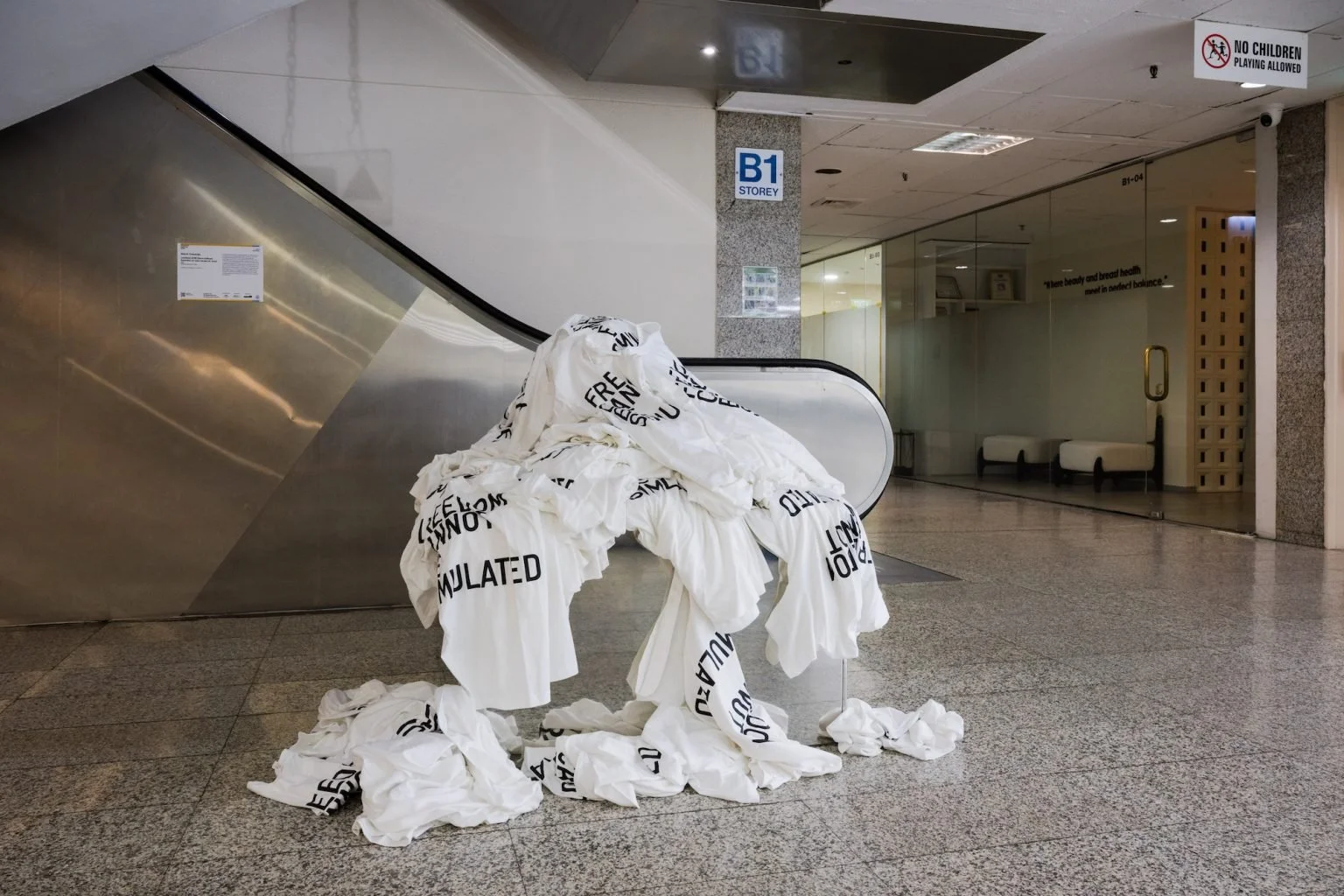
For the 15th Shanghai Biennale, titled Does the flower hear the bee?, Rirkrit Tiravanija brings together new and historical works that continue his long-standing engagement with social space, language, and shared experience. The presentation combines two new large-scale text banners—THE FORM OF THE FLOWER IS UNKNOWN TO THE SEED and MY BODY IS FILLED WITH WAITING. Alongside them, untitled 1992 (cure)—the now-iconic orange tea tent—and untitled 1994 (angst essen seele auf), a functioning Fassbinder Bar and T-shirt printing workshop featuring the phrase FEAR EATS THE SOUL, extend the artist’s exploration of hospitality and encounter.

More Info

Jan Albers in 'What Inspire the Artists for Their Ideas?'

Jan Albers
November 7 – December 20, 2025 | Sanatorium, Istanbul

Featuring works by Jan Albers, Rey Akdogan, Burak Bedenlier, Irmak Canevi, Andy Fabo, Claus Föttinger, Kavachi, Simin Keramati, Mirjam Kuitenbrouwer, JiSun Lee, Yağız Özgen, Ursula Schulz-Dornburg and Jaan Toomik, 'What Inspire the Artists for Their Ideas?' explores the conditions and influences that shape artistic production.

Bringing together artists working across diverse geographies, the exhibition sheds light on the often-overlooked "formation processes" behind artistic creation. Curated by Necmi Sönmez, the show at Sanatorium features 13 artists working across painting, sculpture, installation, and drawing, with several participants presenting their work in Istanbul for the first time.

Contemporary economic, political, and social realities provide a critical framework for artistic production. The concepts artists develop in their studios and living spaces reveal not only their creative practice but also their responses to a constantly shifting world. Through works informed by cultural identity, belonging, and political positioning, the exhibition examines the multifaceted nature of artistic production.

More Info

Rirkrit Tiravanija: (the intellects take leave)

Rirkrit Tiravanija
November 5 - December 20, 2025 | Gladstone Gallery, Brussels

In his latest solo exhibition at Gladstone Gallery in Brussels, Rirkrit Tiravanija presents recent works that build upon an ongoing body of work referencing Canadian American artist Philip Guston’s paintings on American newspapers in the 1970s. Using tree lacquer and oil, Tiravanija adapts the concept for contemporary times by painting on editions of The New York Times that feature Donald Trump’s election and inauguration. The series reflects his broader practice which is grounded in relational aesthetics and approaches art as a catalyst for social commentary and change.

More Info

Rirkrit Tiravanija in 2025 Singapore Biennale: pure intention

Rirkrit Tiravanija
October 31, 2025 - March 29, 2026 | Singapore Biennale

Singapore Biennale 2025: pure intention presents contemporary art in multiple venues and public spaces, inviting audiences of all walks of life to experience Singapore's many layers built by all of those who have been a part of its history, collectively creating a city that is as planned as it is full of discovery, surprises and interesting juxtapositions.

Singapore Biennale 2025 takes place across 5 neighbourhoods, ranging from pre-colonial and colonial landmarks transformed into public, green areas repurposed for recreation, residential neighbourhoods and lived spaces, to shopping centres that have evolved into social spaces for Singapore's diverse communities.

More Info

Eli Bornowsky & Jessica Stockholder: is a knot helpful at Catriona Jeffries

Jessica Stockholder
October 31 - December 13, 2025 | Catriona Jeffries, Vancouver

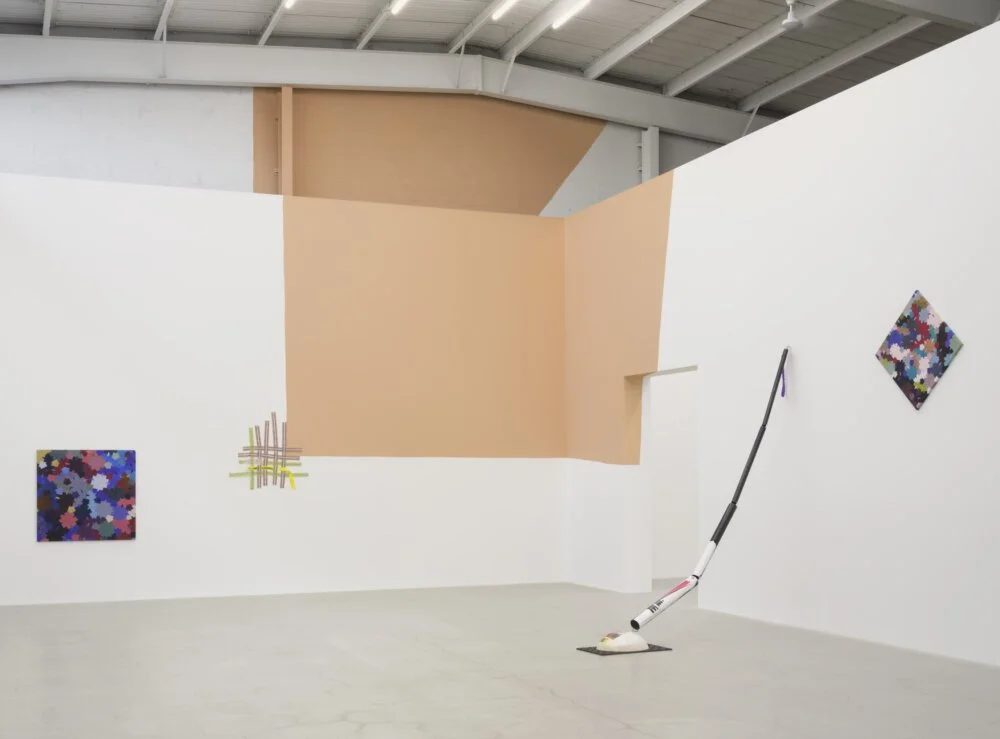
A knot is a line turned back on itself. A two-dimensional gesture becomes a spatial configuration, perhaps even unfolding temporally as we follow its arc from beginning to end. Whether formed by hand or through circumstance, a knot interrupts the flow to hold materials together through tension. Making use of lines, knots, and tangles, artworks by Jessica Stockholder and Eli Bornowsky draw connections across symbolic and material realities, tracing the entanglements through which perception takes shape.

The artists’ overlapping tactics of ‘picture-making’ give both practices a metonymic quality. Whereas metaphor operates through resemblance—one thing standing in for another—metonymy depends on adjacency and material connection. Stockholder literally draws lines across what we call nature and society, each hooked terminus acting as an anchor that clasps nearby objects in a continuous chain. Bruised Elbow (2025) features elemental copper and an amputated tree limb aligned with a plastic food tray. What do they have in common but everything? The tree evokes nature, yet this tree was cultivated, replanted among others to replenish clearcut tracts, while plastic has become ubiquitous within so-called nature. Her practice insists that there is no raw material from which to construct—only matter already shaped by culture, industry, and environmental pressures. Bornowsky’s work asks similar questions, to different effect. How can we conceive of infinity from within our decidedly finite perspective and existence? The procedurally-coloured, aperiodic patterns that comprise his work are subject to multi-stability—which is the optical condition of having several likenesses at once. For Bornowsky, multi-stability is universality, the common denominator of dissimilar perspectives is their difference and their ongoing interpretability. In this way, both artists’ works entangle the viewer, drawing us into a chain of causality that unfolds in simultaneously material and symbolic dimensions.

More Info

Rirkrit Tiravanija: Untitled 2025 (NO BREAD NO ASHES) Public Performance

Rirkrit Tiravanija
October 30, 2025, 3-5pm | MIA Park, Doha, Qatar

In this unique public art performance, Tiravanija will bake on-site and engage directly with the public, continuing his celebrated practice of blending art with communal experience. His interactive installation reinterprets the bakery oven and griddle as both a functional tool and powerful cultural symbol. Inspired by Argentine artist Victor Grippo’s 1972 performance in Buenos Aires, the Doha installation features a range of regional traditional ovens and griddles.

The installation is organised by Rubaiya Qatar, an international contemporary art quadrennial. The program is part of the lead-up to its inaugural edition opening in November 2026 and coincides with Qatar-Argentina and Chile 2025 Year of Culture.

More Info

Jorge Pardo at Petzel, New York

Jorge Pardo
October 30 - December 20, 2025 | Petzel, New York

Jorge Pardo, Untitled, 2025
Oil and metallic paint on canvas, stretched over birch and engraved
73 1/4 x 73 1/4 x 2 3/8 in
186 x 186 x 6 cm

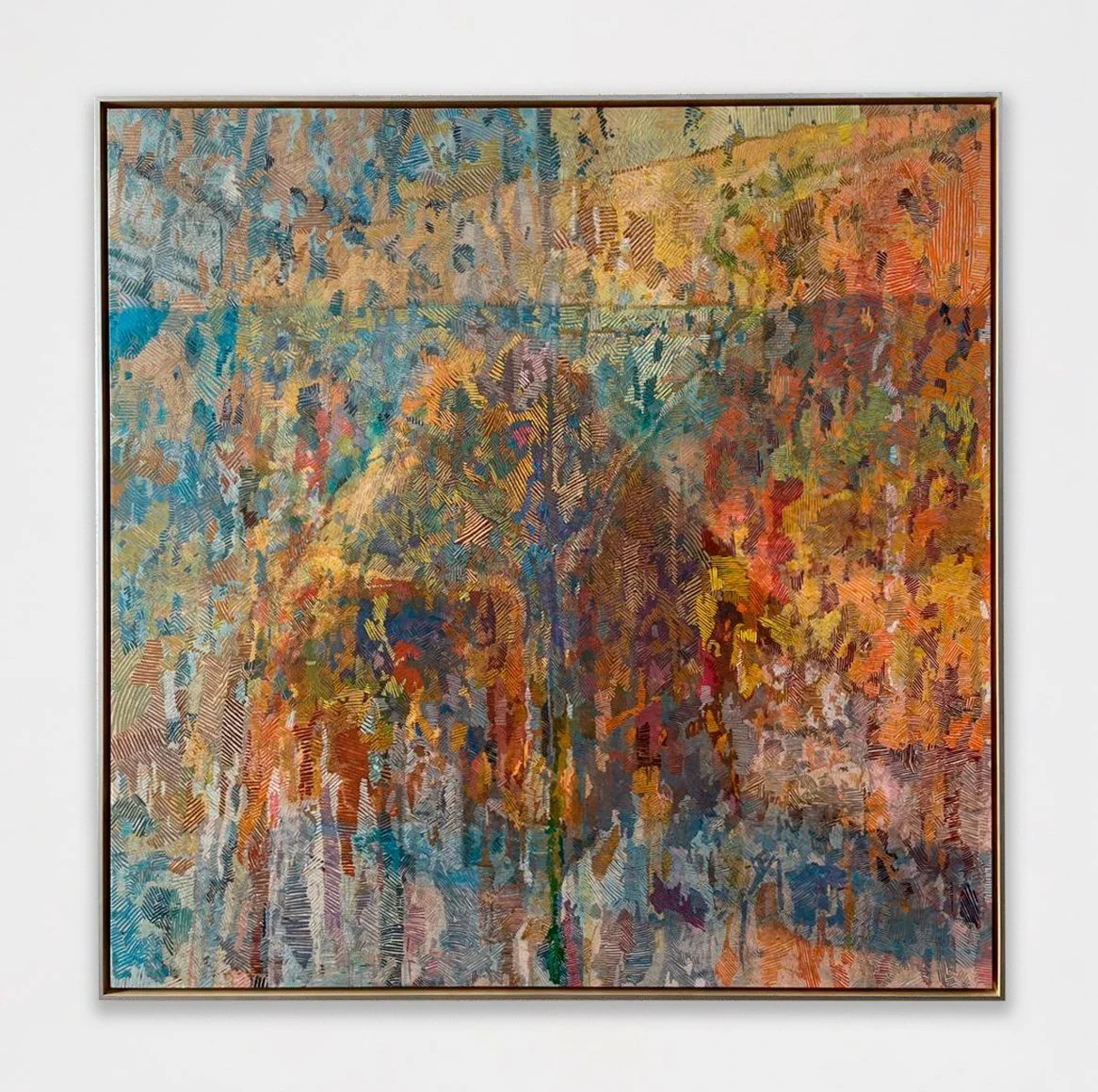
With vibrant paintings, hanging sets of pendants and new floor lamps, Pardo builds upon his interest in fusing machine and hand-made media to create works that are paradoxically bound to conditions of time, memory, and space.

Referring to his paintings as “artworks to think with,” Pardo uses a procedural approach he has developed over the past half decade. He overlaps far-spanning art historical sources digitally, which converge and intersect as vertices of light, color, and form to arrive at final images through a process of estrangement and dissociation. This allows him to forge unexpected affinities between seemingly disparate works, starting with the entirety of Monet’s Haystacks and intersecting them with the interventions of conceptually-informed artists like Michael Asher. Pardo feeds such influences—compositions by Monet, Asher, Joan Mitchell, Wayne Thiebaud, and others—through a mechanized order of operations, appropriating these images while disassembling them altogether. With the digital drawing complete, vectorized outlines are laser-etched on to canvas and hand-painted with an effervescent palette of marigold yellows, pearlescent blues, and mossy greens.

Similarly, Pardo’s hanging pendants and floor lamps draw upon both Monet’s Haystacks and Warhol’s Shadows. Armed with architectural software, the artist machines these mythical lighting effects so tangled in art historical discourse. The resulting lightworks slice, abstract and restructure the interior light of Monet and the exterior saturation of Warhol’s shadows onto laser-cut planes of painted acrylic sheeting. For the floor lamps, Pardo has used over 50 Shadow paintings as his palette, assigning colors to each lamp. Unique, organic shapes emerge from the floor through acrylic that the artist warps with heat.

In addition to the exhibition, Pardo has invited an ensemble of artists, curators, writers, psychoanalysts, scientists, and thinkers to give brief lectures instead of each painting’s titles as ephemeral stand-ins. The lectures will take place on December 13, 2025, with more details forthcoming.

More Info

SUPERFLEX in Down Deep: Living Seas, Living Bodies

SUPERFLEX
October 30, 2025 - April 4, 2026 | State Art Gallery, Sopot

SUPERFLEX, Hunga Tonga (2021), video; 22 minutes (video still)

On the shores of the Baltic Sea, overlooking the Bay of Gdańsk, artists from Poland, France, Ireland, Lithuania, Latvia, Estonia, Greece, Australia, the United States, Chile, India, South Korea, and the Caribbean have gathered for this group exhibition. The State Art Gallery’s unique location in Sopot provides a natural context for reflecting on our physical, mental, emotional, and spiritual connection to the ocean. The international group of artists broadens this perspective, opening up space for diverse interpretations and sensibilities. Here, water becomes a connecting thread—a common denominator that weaves together artistic practices emerging from diverse cultures and contexts.

The project’s partners are the Institute of Oceanology of the Polish Academy of Sciences and the University of Gdańsk, whose knowledge and experience enrich the exhibition’s artistic dimension with a scientific perspective and reflection on the condition of the oceans.

Central to the exhibition is the question of what it means to become ocean, to return our human bodies to the immense body of water that covers over two-thirds of the Earth. Scientists have long been investigating the watery origins of life on our planet, initially including tide pools and hot springs as possibilities. Modern research has hypothesised that life originated near deep sea hydrothermal vents, as the chemicals found in these vents and the energy they provide could fuel the many reactions needed for the evolution of life.

Down Deep begins from this hypothesis of life’s oceanic origins at least 3.5 billion years ago to consider our innate connectivity to the water and, by extension, how we came into being and continue to exist as a collective species. In this, the exhibition moves against the philosophical, religious, and techno-industrial lineage of anthropocentrism that continues to divide us from our environments and which was furthered by the advent of modern science and agriculture, with its embedded intent to tame, categorise and contain the world around us. If we were to relinquish the binds of this human exceptionalism, how might we understand ourselves within a larger body of enveloping life and start to exist in communion with the deep and profound rhythms of the ocean?

More Info

Angella Bulloch, Rirkrit Tiravanija, and Philippe Parreno in '1+1. The relational years'

Angella Bulloch, Rirkrit Tiravanija, Philippe Parreno
October 29, 2025 - March 1, 2026 | MAXXI National Museum of 21st Century Arts, Rome

Britto Arts Trust, Pakghor (The social kitchen), 2025 / OPAVIVARÁ!, namoita, 2014

1+1. The relational years is the first major retrospective dedicated to the Relational Art movement—three decades after its inception—curated by internationally renowned critic and curator Nicolas Bourriaud.

In the 1990s, a new generation of artists revolutionized the discourse of art by opening it up to human relationships, exploring the collective sphere, and using social practices, conviviality, interaction, groups, and communities as both materials and tools of research. The concept of Relational Aesthetics, theorized by Bourriaud in 1998, is now recognized as one of the major artistic movements of the new millennium, with its artists acclaimed worldwide: Vanessa Beecroft, Maurizio Cattelan, Dominique Gonzalez-Foerster, Carsten Höller, Pierre Huyghe, Philippe Parreno, and Rirkrit Tiravanija, to name just a few.

More Info

Pae White in News from the Near Future

Pae White
October 28, 2025 – March 8, 2026 | Fondazione Sandretto Re Rebaudengo & Museo Nazionale dell’Automobile, Turin

News from the Near Future is a major group show celebrating thirty years of commitment to promoting contemporary art, curated by Bernardo Follini and Eugenio Re Rebaudengo.

Articulated across two venues—Fondazione Sandretto Re Rebaudengo and Museo Nazionale dell’Automobile in Turin—the exhibition retraces three decades of artistic research through a selection of works from the Sandretto Re Rebaudengo Collection.

The Collection, which started in 1992, has had a close reciprocal relationship with Fondazione Sandretto Re Rebaudengo since the latter was founded in 1995, taking on the status and role of a research instrument. Today the Collection reflects the institution’s exhibitions, tracing a unique history of art from the 1990s to the present, with antecedents in earlier decades.

Within the Fondazione’s spaces, historical works are presented alongside recent or never- before-shown pieces, as well as an archive section dedicated to the thirty-year history of the Fondazione, through documents, media materials, videos, images, and artworks.

The section hosted at Museo Nazionale dell’Automobile connects recent art history with the Fondazione’s own development through iconic works from the Collection that emphasize diverse dialogues, lineages, and tensions.

More than one hundred works, created by the most representative artists from the institution’s journey, explore the development of different artistic languages and media over a broad timeframe: video and video installation from Doug Aitken and Steve McQueen to Ian Cheng; sculpture from Urs Fischer to Berlinde De Bruyckere and Andra Ursuta; installation from Tobias Rehberger to Adrián Villar Rojas; photography from Cindy Sherman to Wolfgang Tillmans; painting from Glenn Brown to Tauba Auerbach and Ambera Wellmann. The exhibition is not a chronological narrative, but a visual, affective, and conceptual archive, reflecting how the Collection and Fondazione were built over time through exhibitions, commissions, institutional collaborations, residencies, educational and training projects.

More Info

Fiona Banner in 'PUSH THE LIMITS 2: culture strips to reveal war'

Fiona Banner
October 27, 2025 - February 1, 2026 | The Fondazione Merz, Turin

Fiona Banner, Pranayama Organ, 2021

The Fondazione Merz in Turin presents the second edition of PUSH THE LIMITS, an exhibition project that deepens its ongoing exploration of contemporary language and creativity. Bringing together artists from diverse generations and backgrounds, the exhibition highlights those who make the challenge and transformation of imposed or perceived boundaries central to their artistic practice.

PUSH THE LIMITS 2 culture strips to reveal war, offers an encounter with the practices, languages, and research of 19 artists – Heba Y. Amin, Maja Bajević, Mirna Bamieh, Fiona Banner aka The Vanity Press, Rossella Biscotti, Monica Bonvicini, Latifa Echakhch, yasmine eid-sabbagh/Rozenn Quéré, Cécile B. Evans, Dominique Gonzalez-Foerster, Mona Hatoum, Emily Jacir, Jasleen Kaur, Katerina Kovaleva, Teresa Margolles, Helina Metaferia, Janis Rafa, Zineb Sedira, Nora Turato. They will be presenting new works, others already created or recontextualized specifically for the spaces of the Fondazione.

Curated by Claudia Gioia and Beatrice Merz, the project stems from the idea of art as regeneration and the ability to formulate thoughts and words where the urgency issues of the present seem instead to push toward repetition and resignation to immobility.

The title, PUSH THE LIMITS 2 culture strips to reveal war, seeks to underline the attitude of art to push itself constantly to the limit in order to shift the axis of thinking, perception, and discourse, to introduce new solutions and interpretations of our time. In this second edition, the exhibition deepens its role in the face of official narratives, which attempt to normalize the devastating consequences of conflict and destruction, and the silence of politics. “Means and ends are intertwined, and the result is that we no longer understand what the ends are,” explain the curators.

More Info

Stolon Press’s 'Hustle Culture' screened at 'Of Mountains and Seas' at Asia Now, Paris

Stolon Press (Simryn Gill and Tom Melick)
October 25, 5:30-8:00pm | Asia Now 2025, La Monnaie de Paris

Stolon Press, Hustle Culture (video and publication), 2024
Single-channel video, 1:00:36
Commissioned by Lahore Biennale Foundation
Made possible with the support of Creative Australia

Complementing Lahore Biennale Foundation’s presentation of artworks in the Monnaie de Paris, Asia Now also presents a video program from Of Mountains and Seas, the 2024 edition, featuring video commissioned by the Lahore Biennale Foundation from Bani Abidi, Stolon Press (Simryn Gill and Tom Melick), Niamat Nigar, Fazal Rizvi, and Zheng Bo, as well as works by Gidree Bawlee. The program, like the works on view throughout the Monnaie de Paris, offer a vision of ecological awareness from Asian perspectives. Powered by the French Embassy to Pakistan.

Stolon Press’s Hustle Culture is a record made of the daily life around three bird baths placed under a chaste tree and a tamarind tree, in a small garden, in a small town in Malaysia. The visitors to the baths vary—sunbirds, fantails, swallows, an occasional tailorbird, maybe even a kingfisher or oriole, a toad, as well the neighborhood’s fat cat. The baths are washed and refilled regularly; sometimes there are no visitors at all, save for a floating feather; the camera is too slow or too fast, too impatient, or badly positioned. Instead of a story or plot, there is rhythm, fluttering, and a daily patterning. The video is accompanied by an eponymous publication produced with typists in Lahore.

More Info

Diana Thater at “Inspirations – Five Practices" Symposium

Diana Thater
October 25, 2025 | Tulane School of Architecture and Built Environment, Richardson Memorial Hall, New Oreleans

Top L-R: Carol Reese, Deborah Berke, Mary McLeod. Bottom L-R: Amy Murphy, Joan Ockman, Diana Thater. Images courtesy of Tulane School of Architecture and Built Environment

“Inspirations—Five Practices” is a one-day symposium that promotes the 2025-2026 Tulane School of Architecture and Built Environment's Lecture Series and Public Programs theme “Common Good,” which is also the title and theme of the school's upcoming issue of The ReView book. It brings together five women who have made outstanding contributions through their award-winning works of art, architecture, theory, and scholarship. Educating and inspiring thousands of university students, they have had wide-ranging influence in the academy and beyond. Over the course of the day, each will present perspectives on the ways in which she has endeavored to address issues in support of the common good.

Organized by Carol McMichael Reese, Emerita Professor, Tulane School of Architecture and Built Environment, the symposium features invited speakers: Deborah Berke, Yale University School of Architecture, TenBerke; Mary McLeod, Columbia University Graduate School of Architecture, Planning, and Preservation; Amy Murphy, University of Southern California School of Architecture; Joan Ockman, University of Pennsylvania Weitzman School of Design; and Diana Thater, ArtCenter College of Design.

More Info

Rirkrit Tiravanija: In Aliens We Trust

Rirkrit Tiravanija
October 20 - November 22, 2025 | Galerie Chantal Crousel, Paris

Rirkrit Tiravanija, untitled (the savage detectives) (or the chorus that includes, the muses of visceral realism, the beautiful Font sisters; their father, an architect interned in a Mexico City asylum; a sensitive young follower of Octavio Paz; a foul-mouthed American graduate student; a French girl with a taste for the Marquis de Sade; the great-granddaughter of Leon Trotsky; a Chilean stowaway with a mystical gift for numbers; the anorexic heiress to a Mexican underwear empire; an Argentinian photojournalist in Angola; and assorted hangers-on, detractors, critics, lovers, employers, vagabonds, real-life literary figures, and random acquaintances.), 2025

Rirkrit Tiravanija’s works have always defied notions of singular authorship, not only when they are shaped by the gathering of people, their agency and interactions. In his highly citational practice, art history is understood as something generative: by way of reenacting, making use of and copying existing artworks, both his own and by other artists, Tiravanija continues to destabilize the status of the discrete object and expand the capacities of the readymade (the readymade not merely as a physical object, but also as a formation of preconceived ideas and sets of practices that are readily available in society). Some of Tiravanija’s earliest works, as well as most recent ones, can be read as counter-motions to the commodification of life, critiquing the dichotomies that Western taxonomic knowledge systems have constructed: Nature/Culture, Human/non-human, Artwork/Artifact, Civilized/Savage.

Staring at a metal object on the gallery’s floor are two hairy figures, face to face, who seem to have escaped an ethnological diorama. Mimicking the Spider-Man posture of professional golfer Camilo Villegas, the life-sized sculpture portrays Rirkrit Tiravanija and artist friend Udomsak Krisanamis rendered as prehistoric creatures—almost human. Effigies have appeared in Tiravanija’s work before (infamously, he has even employed a doppelganger), while others of his self-portraits incorporate artifacts as proxies for the artist’s body, negotiating the meaning of its absence or presence. Lying between the two figures is a steel comb, an almost exact replica of the one Marcel Duchamp first conceived as an artwork at 11 a.m. on February 17, 1916. Art historians have debated the original purpose of this particular model, but what’s certain is that it was not designed to comb human hair. 

More Info