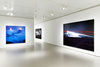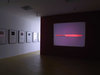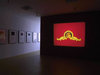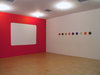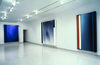



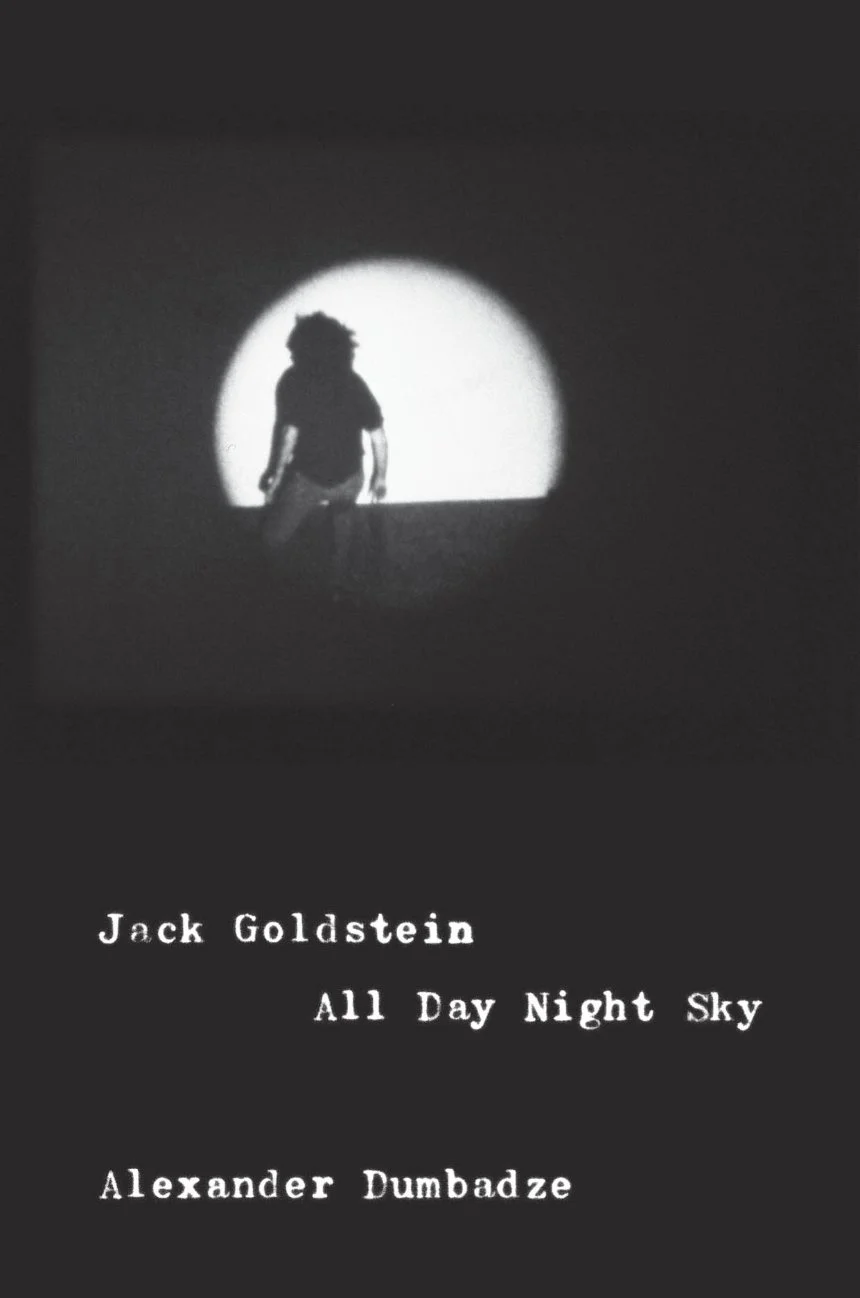

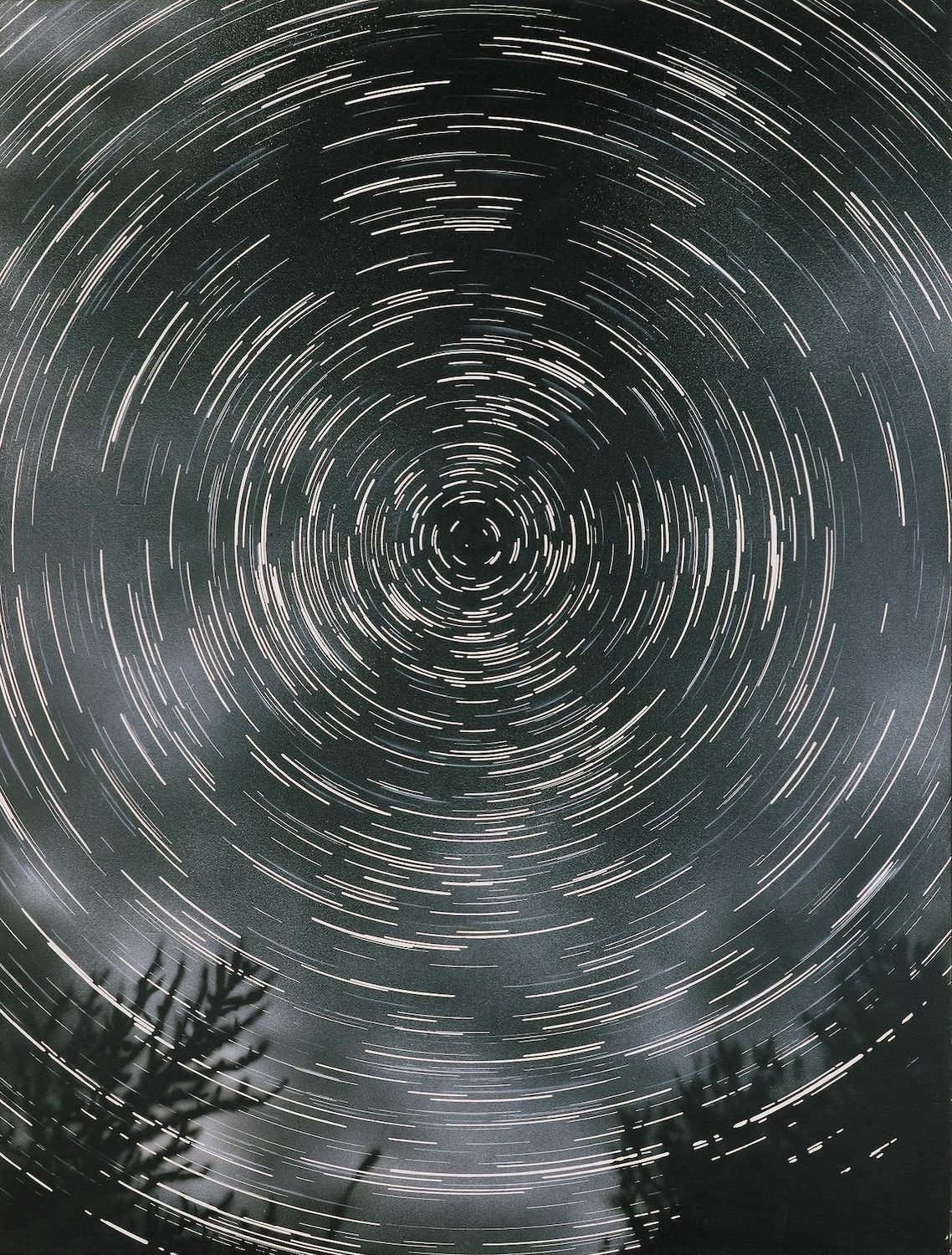
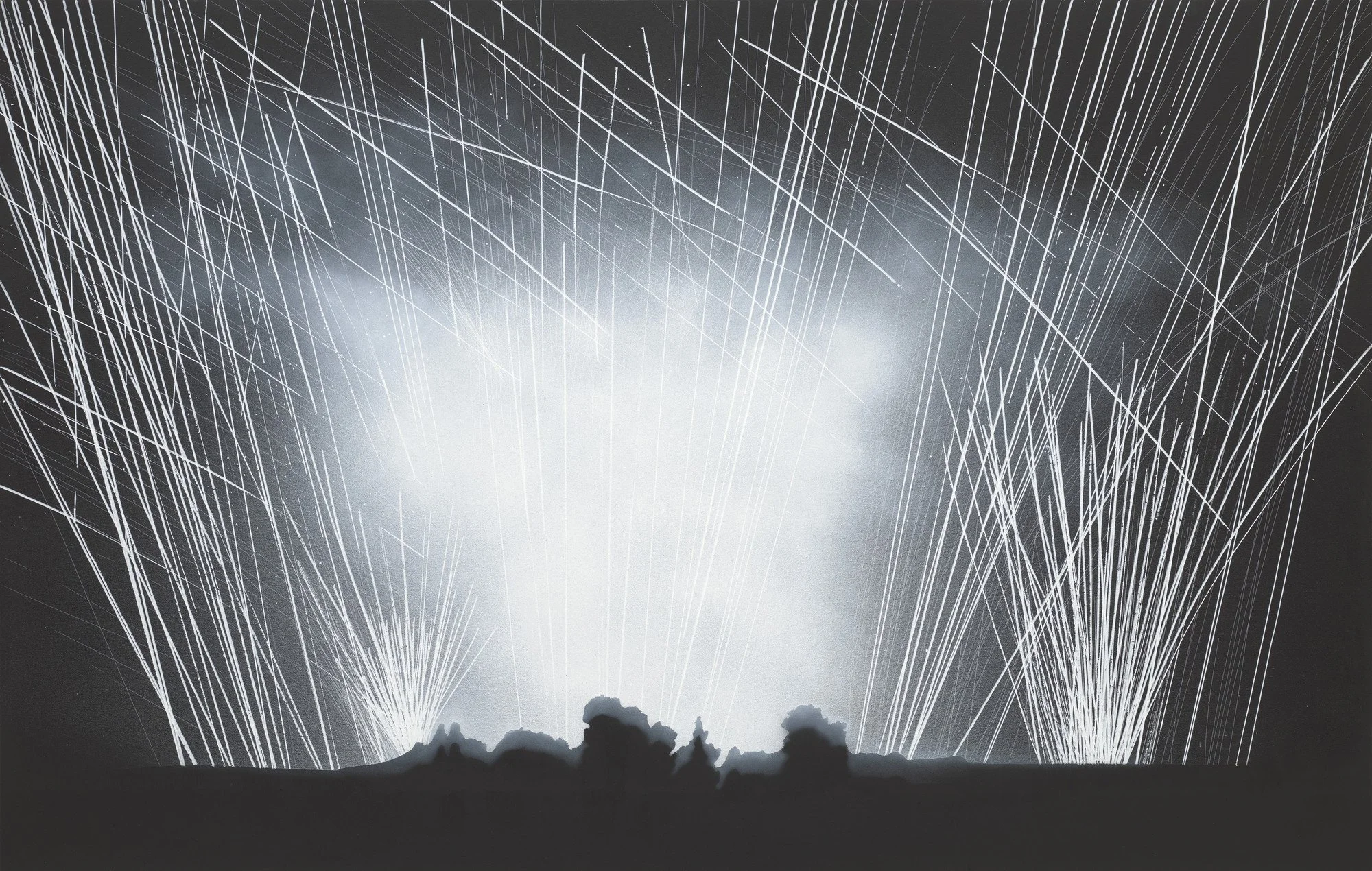
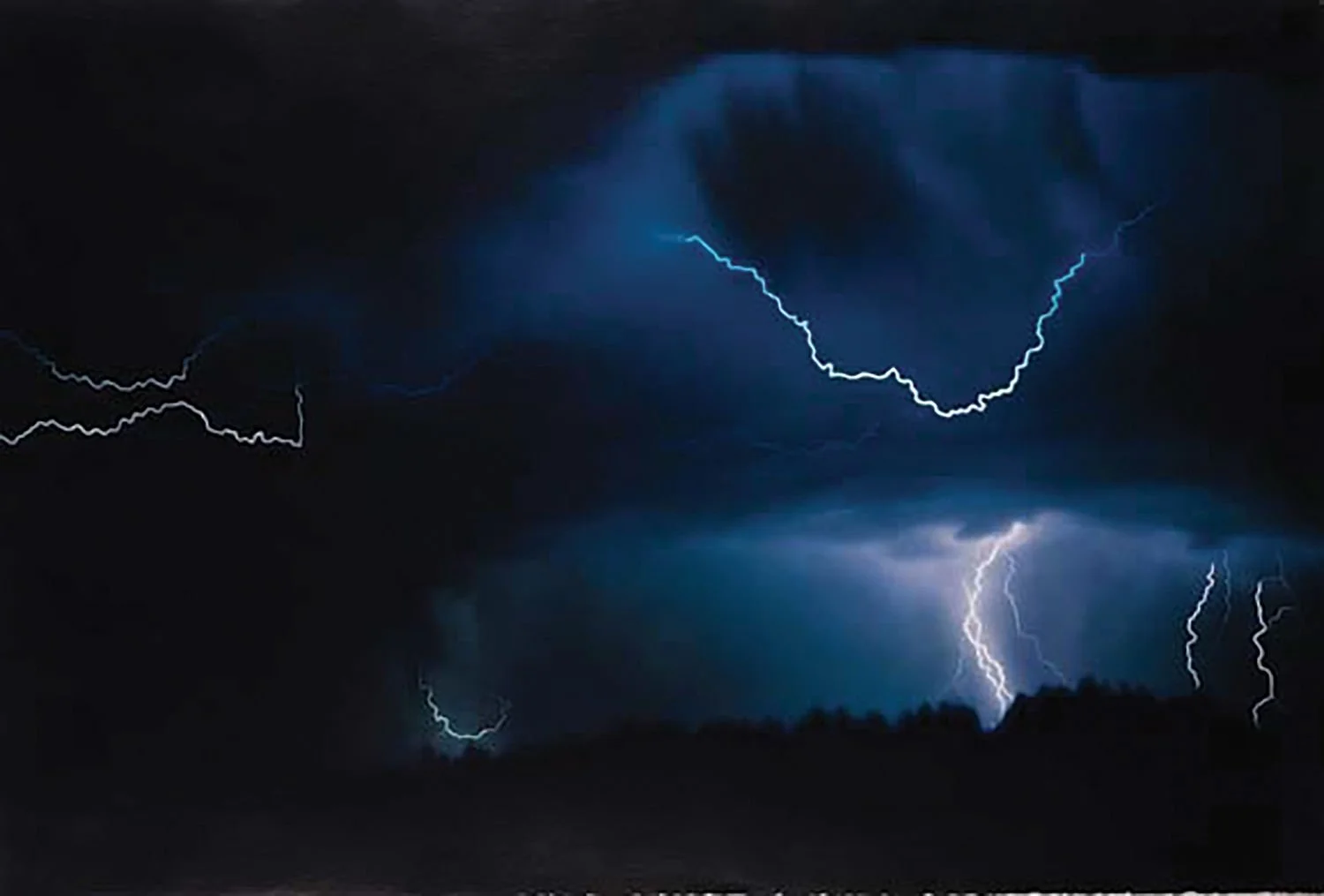
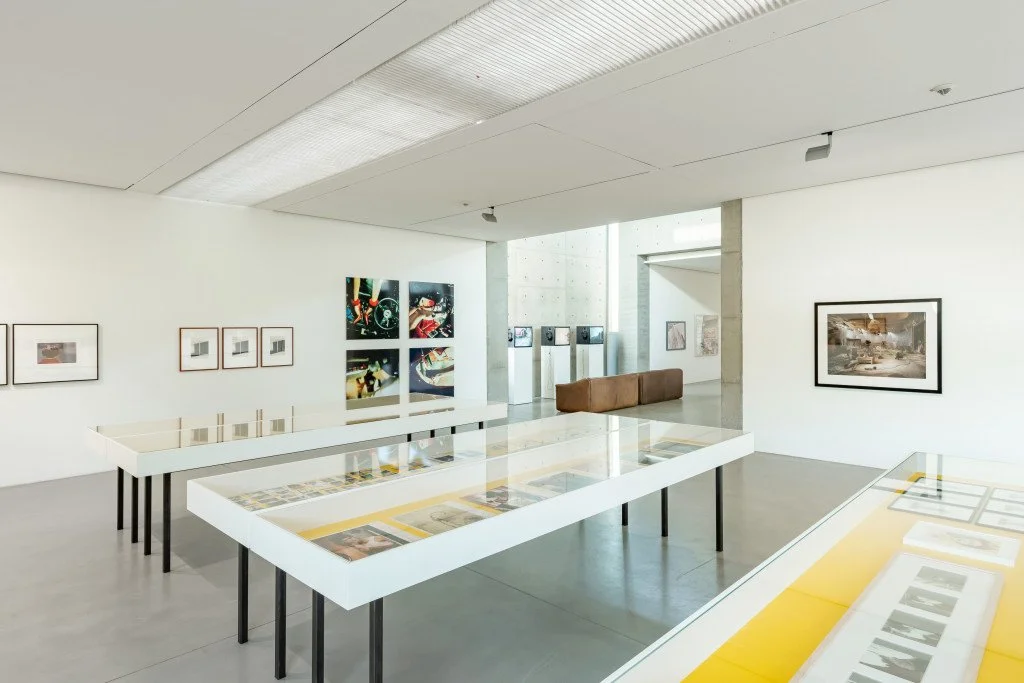





Jack Goldstein, Burning Window and Aphorisms, 2015, installation view, 1301PE.

Jack Goldstein, Aphorisms: Sound is the space…, 1982, paint on wall. Installation view, Burning Window and Aphorisms, 2015, 1301PE.

Jack Goldstein, Aphorisms: If he doesn't know what to do…, 1982, paint on wall. Installation view, Burning Window and Aphorisms, 2015, 1301PE.

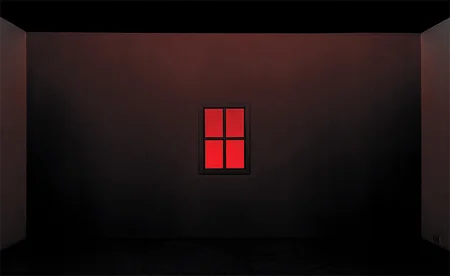
Jack Goldstein, Burning Window, 1977/2015, Built-in window, flickering light, 30 x 41.5 x 6 inches. Installation view, Burning Window and Aphorisms, 2015, 1301PE.
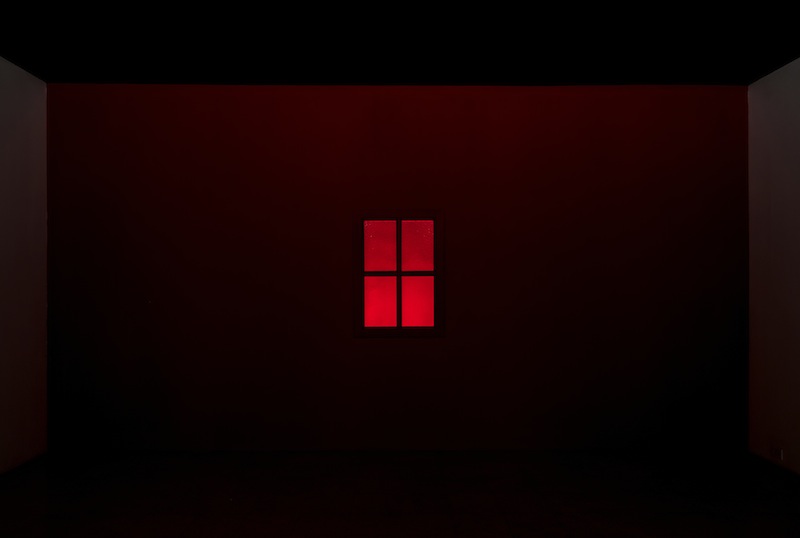
Jack Goldstein, Burning Window, 1977/2015, Built-in window, flickering light, 30 x 41.5 x 6 inches. Installation view, Burning Window and Aphorisms, 2015, 1301PE.

Jack Goldstein, Burning Window, 1977/2015, Built-in window, flickering light, 30 x 41.5 x 6 inches. Installation view, Burning Window and Aphorisms, 2015, 1301PE.

. Jack Goldstein, x 10,000, 2012, installation view, Orange County Museum of Art, Newport Beach, CA.

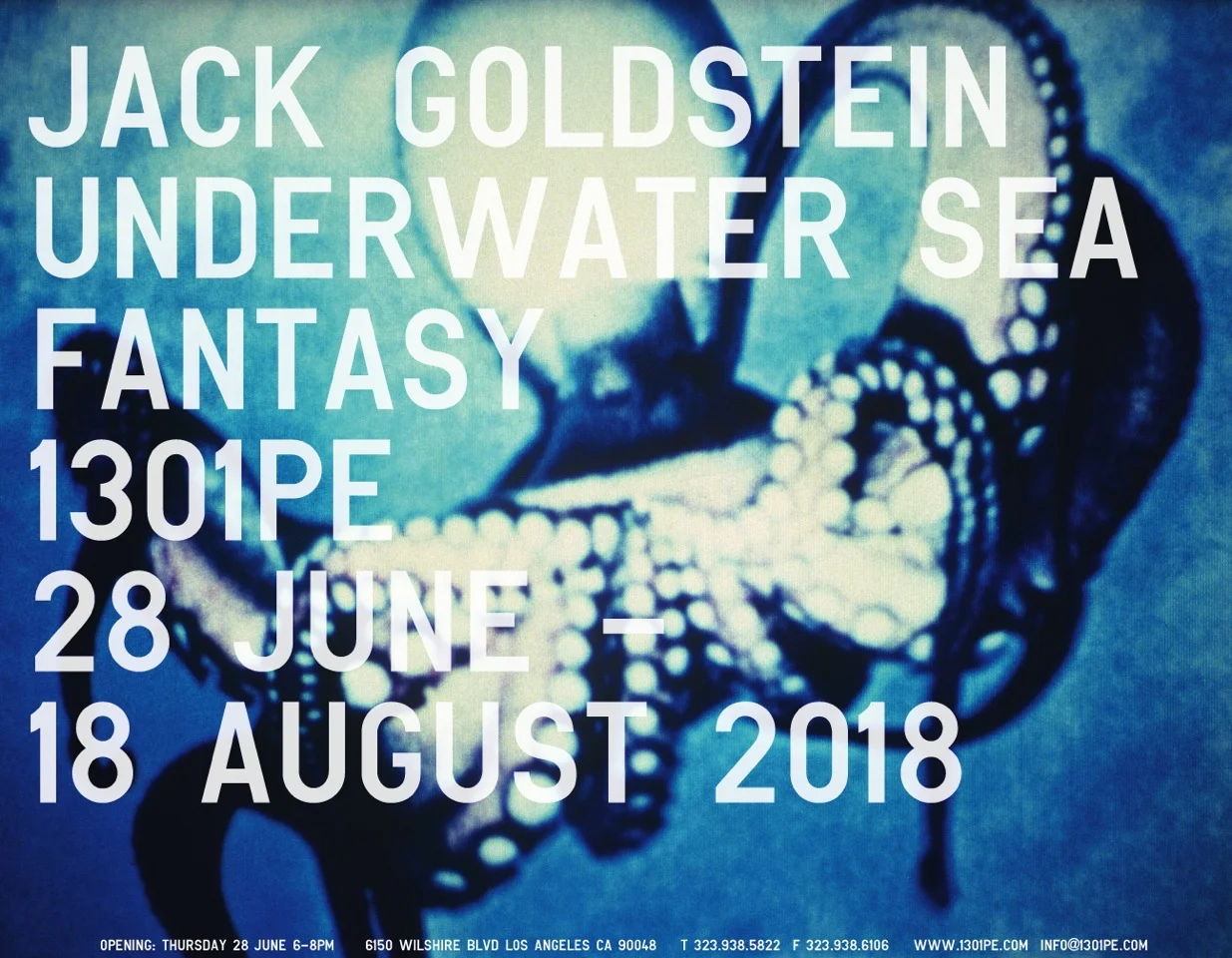
Jack Goldstein, Underwater Sea Fantasy, 1983/2003; 16mm film, color, sound, 6:30 min

Jack Goldstein, Installation view, 2003

Jack Goldstein, Untitled, 1980, Oil on masonite, 46 x 91 inches.

Jack Goldstein, Installation view, 2003

Jack Goldstein, Untitled, 1979, Oil on masonite, 84 1/2 x 133 in.

Jack Goldstein, Untitled (detail), 1979, Oil on masonite, 84 1/2 x 133 in.

Jack Goldstein, Some Butterflies, 1975, 16mm film

Jack Goldstein, Shane, 1975, 16mm film

Jack Goldstein, The Knife, 1975, 16mm film

Jack Goldstein, White Dove, 1975, 16mm

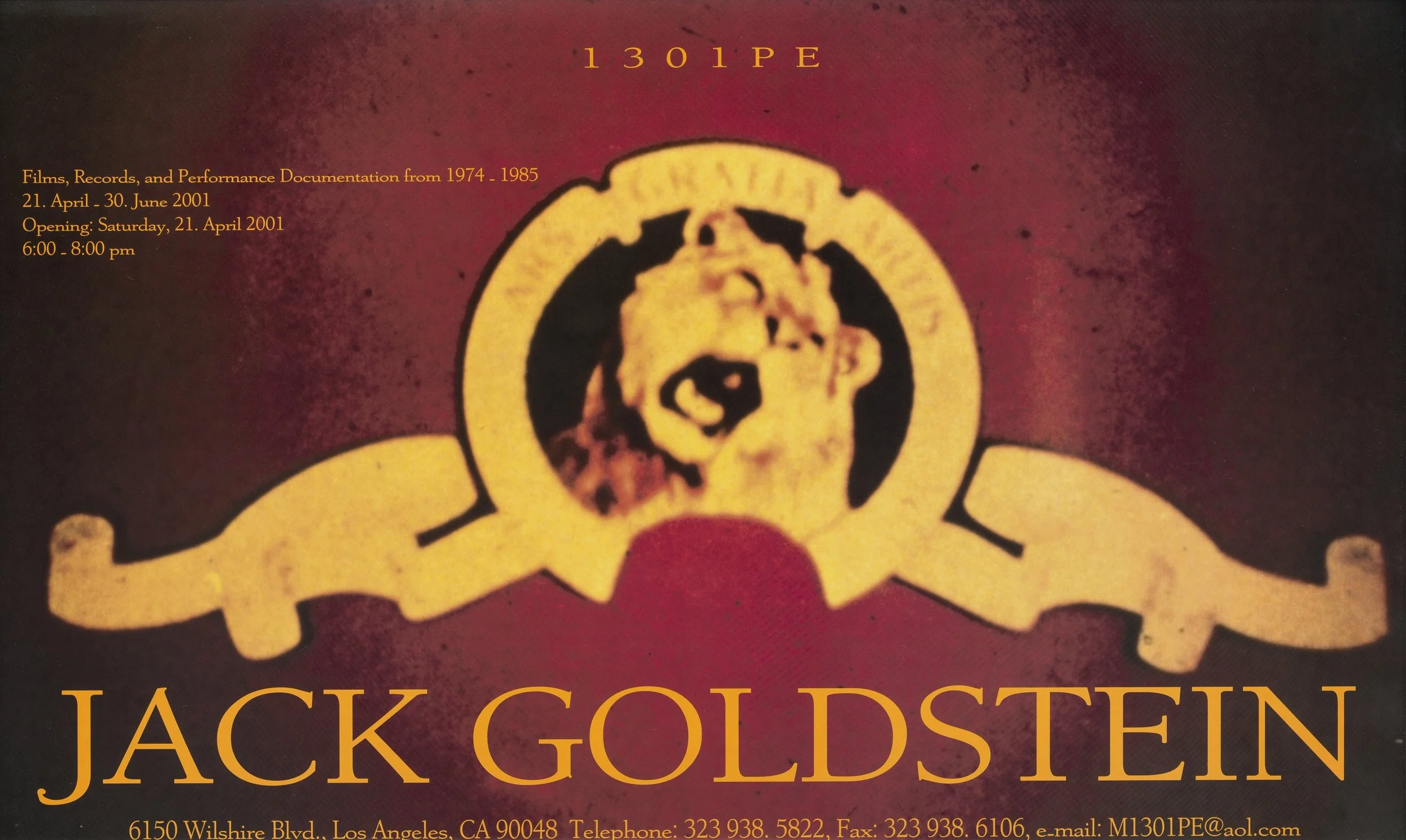
Jack Goldstein, MGM, 1975, 16mm film

Jack Goldstein, Portfolio of Performance, 1976-1985 / 2001, 9 Silkscreened text and color photographs mounted on paper, 36 x 24 inches each, Edition of 20, 5 APs.

Detail: Jack Goldstein, Portfolio of Performance, 1976-1985 / 2001, 9 Silkscreened text and color photographs mounted on paper, 36 x 24 inches each, Edition of 20, 5 APs

Jack Goldstein, A suite of 9 seven-inch records (1976), 1976, Installation view 1301PE
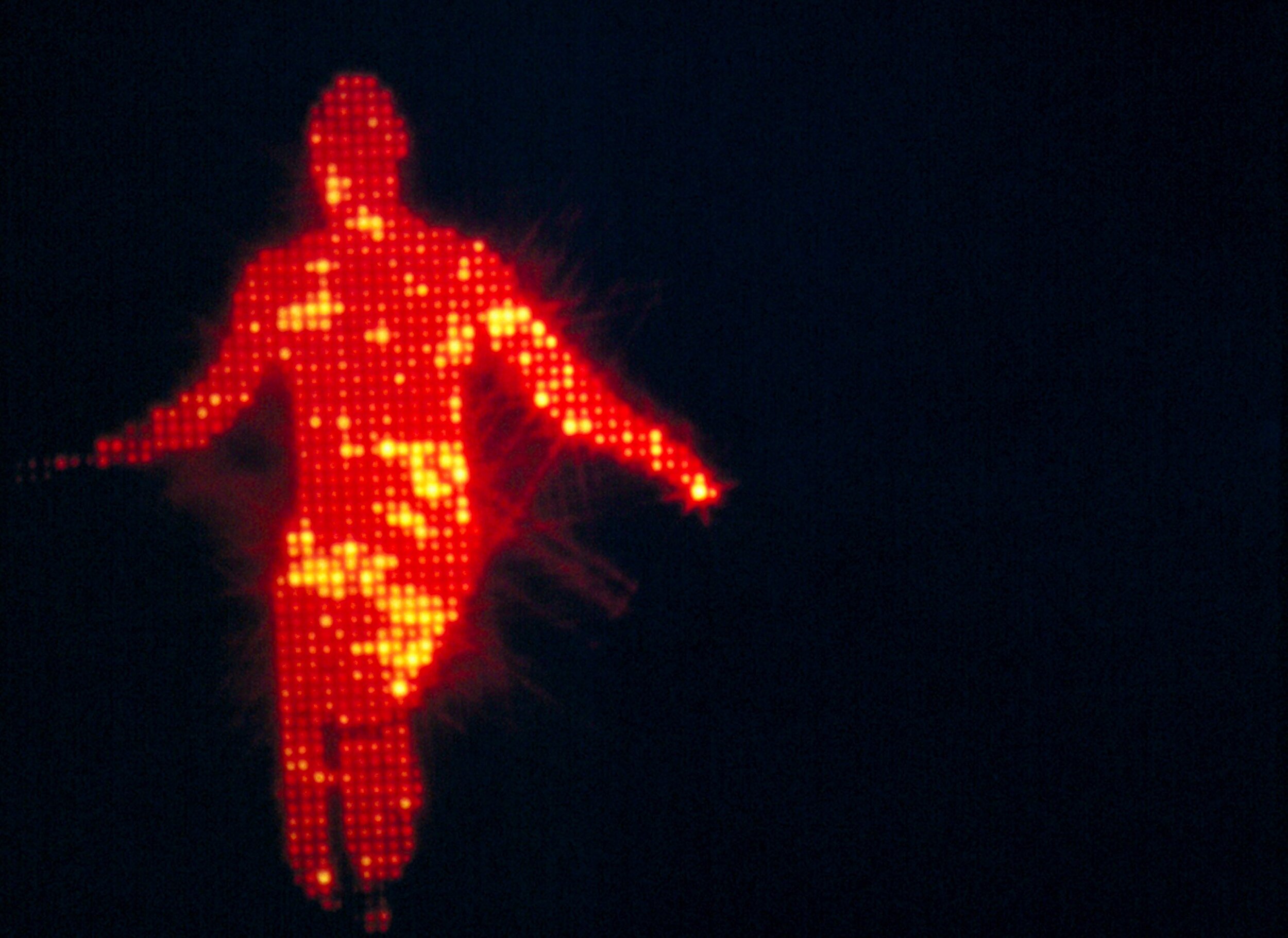
Jack Goldstein, Jump, 1978, 16mm

Jack Goldstein, Jump, 978 16 mm film

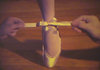
Jack Goldstein, Ballet Slipper, 1976, 16mm film

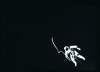
Jack Goldstein, White Dove, 1975, 16 mm film, color, silent, 26 seconds

Jack Goldstein, Installation view

Jack Goldstein, Installation view

Jack Goldstein, Installation view
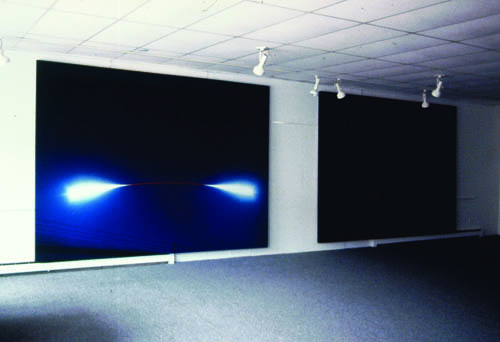
Jack Goldstein, Installation view

Jack Goldstein, Installation view

Jack Goldstein, A suite of 9 seven-inch records (1976)

Jack Goldstein, Two Fencers, 1976, 16mm

Jack Goldstein, It Happened at Pomona, 2012, installation view, Pomona College Museum of Art, Claremont, California.
Jack Goldstein, Burning Window and Aphorisms, 2015, installation view, 1301PE.
Jack Goldstein, Aphorisms: Sound is the space…, 1982, paint on wall. Installation view, Burning Window and Aphorisms, 2015, 1301PE.
Jack Goldstein, Aphorisms: If he doesn't know what to do…, 1982, paint on wall. Installation view, Burning Window and Aphorisms, 2015, 1301PE.
Jack Goldstein, Burning Window, 1977/2015, Built-in window, flickering light, 30 x 41.5 x 6 inches. Installation view, Burning Window and Aphorisms, 2015, 1301PE.
Jack Goldstein, Burning Window, 1977/2015, Built-in window, flickering light, 30 x 41.5 x 6 inches. Installation view, Burning Window and Aphorisms, 2015, 1301PE.
Jack Goldstein, Burning Window, 1977/2015, Built-in window, flickering light, 30 x 41.5 x 6 inches. Installation view, Burning Window and Aphorisms, 2015, 1301PE.
. Jack Goldstein, x 10,000, 2012, installation view, Orange County Museum of Art, Newport Beach, CA.
Jack Goldstein, Underwater Sea Fantasy, 1983/2003; 16mm film, color, sound, 6:30 min
Jack Goldstein, Installation view, 2003
Jack Goldstein, Untitled, 1980, Oil on masonite, 46 x 91 inches.
Jack Goldstein, Installation view, 2003
Jack Goldstein, Untitled, 1979, Oil on masonite, 84 1/2 x 133 in.
Jack Goldstein, Untitled (detail), 1979, Oil on masonite, 84 1/2 x 133 in.
Jack Goldstein, Some Butterflies, 1975, 16mm film
Jack Goldstein, Shane, 1975, 16mm film
Jack Goldstein, The Knife, 1975, 16mm film
Jack Goldstein, White Dove, 1975, 16mm
Jack Goldstein, MGM, 1975, 16mm film
Jack Goldstein, Portfolio of Performance, 1976-1985 / 2001, 9 Silkscreened text and color photographs mounted on paper, 36 x 24 inches each, Edition of 20, 5 APs.
Detail: Jack Goldstein, Portfolio of Performance, 1976-1985 / 2001, 9 Silkscreened text and color photographs mounted on paper, 36 x 24 inches each, Edition of 20, 5 APs
Jack Goldstein, A suite of 9 seven-inch records (1976), 1976, Installation view 1301PE
Jack Goldstein, Jump, 1978, 16mm
Jack Goldstein, Jump, 978 16 mm film
Jack Goldstein, Ballet Slipper, 1976, 16mm film
Jack Goldstein, White Dove, 1975, 16 mm film, color, silent, 26 seconds
Jack Goldstein, Installation view
Jack Goldstein, Installation view
Jack Goldstein, Installation view
Jack Goldstein, Installation view
Jack Goldstein, Installation view
Jack Goldstein, A suite of 9 seven-inch records (1976)A German Shepard, 45 rpm, red vinyl, The Lost Ocean Liner, 45 rpm, black vinyl, Two Wrestling Cats, 45 rpm, yellow vinyl, The Burning Forest, 45 rpm, red and white vinyl, The Tornado, 45 rpm, purple vinyl, A Swim Against the Tide, 45 rpm, blue vinyl, The Dying Wind, 45 rpm, translucent vinyl, A Faster Run, 45 rpm, orange vinyl, Three Felled Trees, 45 rpm, green vinyl
Jack Goldstein, Two Fencers, 1976, 16mm
Jack Goldstein, It Happened at Pomona, 2012, installation view, Pomona College Museum of Art, Claremont, California.
info
/
1
2
3
4
5
6
7
8
9
10
11
12
13
14
15
16
17
18
19
20
21
22
23
24
25
26
27
28
29
30
31
32
33
·
·
·
·
·
·
·
·
·
·
·
·
·
·
·
·
·
·
·
·
·
·
·
·
·
·
·
·
·
·
·
·
·