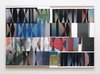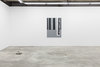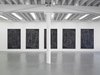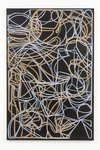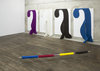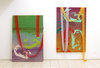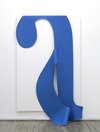


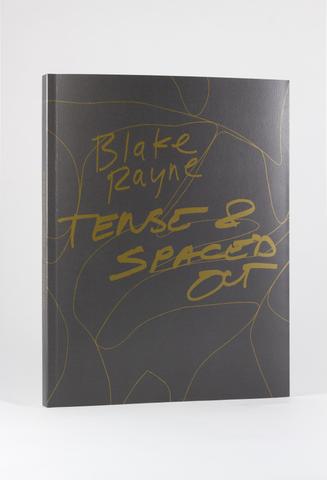


Blake Rayne: Reserves, Installation View. Miguel Abreu, New York, 2025

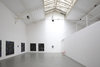
Blake Rayne: Reserves, Installation View. Miguel Abreu, New York, 2025.

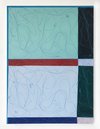
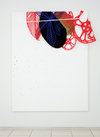
Blake Rayne "Spit Test Gospel (after Pasolini)," 2022, oil, acrylic, nylon thread, acrylic polymer emulsion, linen, canvas 36 x 26 inches 91.4 x 66 cm

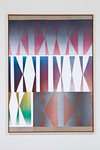
Blake Rayne "Shoreline Of Urban Space," 2021, acrylic on linen 84 x 60 inches (213.4 x 152.4 cm)

Installation view, Blake Rayne, "Dog Ears," 2020. Miguel Abreu Gallery, New York, NY

Installation view, Blake Rayne, "Dog Ears," 2020. Miguel Abreu Gallery, New York, NY

Blake Rayne "Dymaxion Dog Ear," 2020, acrylic on canvas 93 x 132 inches (236.2 x 335.3 cm)

Blake Rayne "Dog Ear 6," 2020, acrylic on canvas 66 x 48 inches (167.6 x 121.9 cm)

Blake Rayne "Dog Ear 7," 2020, acrylic and chalk on canvas 66 x 48 inches (167.6 x 121.9 cm)

Blake Rayne, Carbon Days, (installation view), Nuno Centeno

Blake Rayne, Carbon Days, (installation view), Nuno Centeno

Blake Rayne, Carbon Days, (installation view), Nuno Centeno

Blake Rayne, DOGSKULLDOGS, (installation view), Miguel Abreu Gallery

Blake Rayne, DOGSKULLDOGS, (installation view), Miguel Abreu Gallery

Blake Rayne, DOGSKULLDOGS, (installation view), Miguel Abreu Gallery

Blake Rayne, DOGSKULLDOGS, (installation view), Miguel Abreu Gallery

Blake Rayne, Untitled, 2017, Acrylic on canvas, 60 x 45 inches

Blake Rayne, Cabin Of The Accused, 2016/2017, installation view at Blaffer Art Museum, Houston.

Blake Rayne, Cabin Of The Accused, 2016/2017, installation view at Blaffer Art Museum, Houston.

Blake Rayne, Cabin Of The Accused, 2016/2017, installation view at Blaffer Art Museum, Houston.

Blake Rayne, Installation view, Miguel Abreu Gallery, New York, 2014
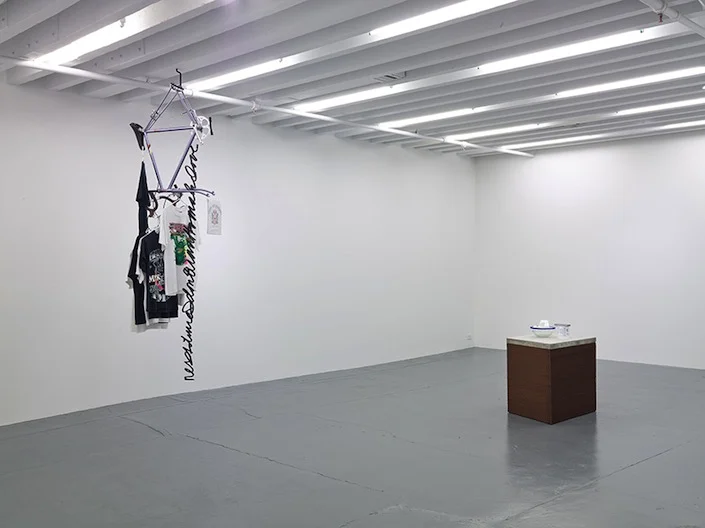
Blake Rayne, Installation view, Miguel Abreu Gallery, New York, 2014

Blake Rayne, Installation view, Miguel Abreu Gallery, New York, 2014

Blake Rayne, Installation view, Miguel Abreu Gallery, New York, 2014

Blake Rayne, Carrière (Rough Stuff), 2013, acrylic & walnut shell on canvas, 77 x 51 inches, 195.6 x 129.5 cm

Blake Rayne, Carrière (A Certain Ambiance), 2013, acrylic & walnut shell on canvas, 77 x 51 inches, 195.6 x 129.5 cm

Blake Rayne, Carrière (Emotional), 2013, acrylic & walnut shell on canvas, 77 x 51 inches, 195.6 x 129.5 cm

Blake Rayne, Carrière (Gangs in The Streets), 2013, acrylic & walnut shell on canvas, 77 x 51 inches, 195.6 x 129.5 cm

Blake Rayne, Almanac, 2013, Hard cover, hard-bound, eight felt double page spreads. 20 1/8 x 13 3/16 inches, 51 x 33.5 x 7.5 cm

Blake Rayne, Almanac, 2013, Hard cover, hard-bound, eight felt double page spreads. 20 1/8 x 13 3/16 inches, 51 x 33.5 x 7.5 cm

Blake Rayne, Wild Country, Installation view. 2012

Blake Rayne, Wild Country, Installation view. 2012

Blake Rayne, Untitled Painting, 2012, Vodka, pigment, urethane, gesso, cotton. 24 x 18 inches, 61 x 45.7 cm

Blake Rayne, Untitled Painting, 2012, Vodka, pigment, urethane, gesso, cotton. 24 x 18 inches, 61 x 45.7 cm

Blake Rayne, Untitled Painting, 2012, Vodka, pigment, urethane, gesso, cotton. 24 x 18 inches, 61 x 45.7 cm

Blake Rayne, Untitled Painting, 2012, Vodka, pigment, urethane, gesso, cotton. 24 x 18 inches, 61 x 45.7 cm

Blake Rayne, COASTAL GRAPHICS. Installation view. 14 April - 14 May 2011. Sutton Lane, Paris.

Blake Rayne, RSVP, 2011, Collage on canvas. 60 x 43 x 8 inches, 152.4 x 109.2 x 20.3 cm

Blake Rayne, Sequence 3, Installation view. 13 March - 1 May, 2011. Miguel Abreu Gallery

Blake Rayne, Untitled (cover letter) #13, 2011, Acrylic on cotton, felt hungover. 72.4 x 48 inches, 184 x 122 cm.

Blake Rayne, Folder and Application. Installation view. 9 May - 26 June, 2010. Migeul Abreu Gallery

Blake Rayne, Statement of Teaching Philosophy, 2010, Vinyl, polyester, synthetic felt, acrylic on canvas. 69 x 53 inches, 175.3 x 134.6 cm

Blake Rayne, Recommendations, 2010, Acrylic on canvas. 69 x 53 inches, 175.3 x 134.6 cm

Blake Rayne, Folder and Application, 2010, Installation View. Miguel Abreu Gallery

Blake Rayne, Table of Contents, 2010, Acrylic on wood. 32 x 96 x 48 inches, 81.3 x 244 x 122 cm

Blake Rayne, Cover Letter (Yellow), 2010, Felt, acrylic on canvas. 72 x 48 inches, 182.9 x 121.9 cm

Blake Rayne, A Linen Folder 1, 2010, Acrylic, gesso on linen with frame, 64 1/2 x 46 3/4 inches

Blake Rayne, Installation View. 2008

Blake Rayne, Installation View. 19 May - 16 June 2007. Sutton Lane

Blake Rayne, Installation View. 19 May - 16 June 2007. Sutton Lane

Blake Rayne, Installation View. 13 May - 23 June 2006. Sutton Lane

Blake Rayne, Untitled #37, 2006. Acrylic and oil on canvas, 44.5 x 34 inches, 113 x 86.4 cm
Blake Rayne: Reserves, Installation View. Miguel Abreu, New York, 2025
Blake Rayne: Reserves, Installation View. Miguel Abreu, New York, 2025.
Blake Rayne "Spit Test Gospel (after Pasolini)," 2022, oil, acrylic, nylon thread, acrylic polymer emulsion, linen, canvas 36 x 26 inches 91.4 x 66 cm
Blake Rayne "Shoreline Of Urban Space," 2021, acrylic on linen 84 x 60 inches (213.4 x 152.4 cm)
Installation view, Blake Rayne, "Dog Ears," 2020. Miguel Abreu Gallery, New York, NY
Installation view, Blake Rayne, "Dog Ears," 2020. Miguel Abreu Gallery, New York, NY
Blake Rayne "Dymaxion Dog Ear," 2020, acrylic on canvas 93 x 132 inches (236.2 x 335.3 cm)
Blake Rayne "Dog Ear 6," 2020, acrylic on canvas 66 x 48 inches (167.6 x 121.9 cm)
Blake Rayne "Dog Ear 7," 2020, acrylic and chalk on canvas 66 x 48 inches (167.6 x 121.9 cm)
Blake Rayne, Carbon Days, (installation view), Nuno Centeno
Blake Rayne, Carbon Days, (installation view), Nuno Centeno
Blake Rayne, Carbon Days, (installation view), Nuno Centeno
Blake Rayne, DOGSKULLDOGS, (installation view), Miguel Abreu Gallery
Blake Rayne, DOGSKULLDOGS, (installation view), Miguel Abreu Gallery
Blake Rayne, DOGSKULLDOGS, (installation view), Miguel Abreu Gallery
Blake Rayne, DOGSKULLDOGS, (installation view), Miguel Abreu Gallery
Blake Rayne, Untitled, 2017, Acrylic on canvas, 60 x 45 inches
Blake Rayne, Cabin Of The Accused, 2016/2017, installation view at Blaffer Art Museum, Houston.
Blake Rayne, Cabin Of The Accused, 2016/2017, installation view at Blaffer Art Museum, Houston.
Blake Rayne, Cabin Of The Accused, 2016/2017, installation view at Blaffer Art Museum, Houston.
Blake Rayne, Installation view, Miguel Abreu Gallery, New York, 2014
Blake Rayne, Installation view, Miguel Abreu Gallery, New York, 2014
Blake Rayne, Installation view, Miguel Abreu Gallery, New York, 2014
Blake Rayne, Installation view, Miguel Abreu Gallery, New York, 2014
Blake Rayne, Carrière (Rough Stuff), 2013, acrylic & walnut shell on canvas, 77 x 51 inches, 195.6 x 129.5 cm
Blake Rayne, Carrière (A Certain Ambiance), 2013, acrylic & walnut shell on canvas, 77 x 51 inches, 195.6 x 129.5 cm
Blake Rayne, Carrière (Emotional), 2013, acrylic & walnut shell on canvas, 77 x 51 inches, 195.6 x 129.5 cm
Blake Rayne, Carrière (Gangs in The Streets), 2013, acrylic & walnut shell on canvas, 77 x 51 inches, 195.6 x 129.5 cm
Blake Rayne, Almanac, 2013, Hard cover, hard-bound, eight felt double page spreads. 20 1/8 x 13 3/16 inches, 51 x 33.5 x 7.5 cm
Blake Rayne, Almanac, 2013, Hard cover, hard-bound, eight felt double page spreads. 20 1/8 x 13 3/16 inches, 51 x 33.5 x 7.5 cm
Blake Rayne, Wild Country, Installation view. 2012
Blake Rayne, Wild Country, Installation view. 2012
Blake Rayne, Untitled Painting, 2012, Vodka, pigment, urethane, gesso, cotton. 24 x 18 inches, 61 x 45.7 cm
Blake Rayne, Untitled Painting, 2012, Vodka, pigment, urethane, gesso, cotton. 24 x 18 inches, 61 x 45.7 cm
Blake Rayne, Untitled Painting, 2012, Vodka, pigment, urethane, gesso, cotton. 24 x 18 inches, 61 x 45.7 cm
Blake Rayne, Untitled Painting, 2012, Vodka, pigment, urethane, gesso, cotton. 24 x 18 inches, 61 x 45.7 cm
Blake Rayne, COASTAL GRAPHICS. Installation view. 14 April - 14 May 2011. Sutton Lane, Paris.
Blake Rayne, RSVP, 2011, Collage on canvas. 60 x 43 x 8 inches, 152.4 x 109.2 x 20.3 cm
Blake Rayne, Sequence 3, Installation view. 13 March - 1 May, 2011. Miguel Abreu Gallery
Blake Rayne, Untitled (cover letter) #13, 2011, Acrylic on cotton, felt hungover. 72.4 x 48 inches, 184 x 122 cm.
Blake Rayne, Folder and Application. Installation view. 9 May - 26 June, 2010. Migeul Abreu Gallery
Blake Rayne, Statement of Teaching Philosophy, 2010, Vinyl, polyester, synthetic felt, acrylic on canvas. 69 x 53 inches, 175.3 x 134.6 cm
Blake Rayne, Recommendations, 2010, Acrylic on canvas. 69 x 53 inches, 175.3 x 134.6 cm
Blake Rayne, Folder and Application, 2010, Installation View. Miguel Abreu Gallery
Blake Rayne, Table of Contents, 2010, Acrylic on wood. 32 x 96 x 48 inches, 81.3 x 244 x 122 cm
Blake Rayne, Cover Letter (Yellow), 2010, Felt, acrylic on canvas. 72 x 48 inches, 182.9 x 121.9 cm
Blake Rayne, A Linen Folder 1, 2010, Acrylic, gesso on linen with frame, 64 1/2 x 46 3/4 inches
Blake Rayne, Installation View. 2008
Blake Rayne, Installation View. 19 May - 16 June 2007. Sutton Lane
Blake Rayne, Installation View. 19 May - 16 June 2007. Sutton Lane
Blake Rayne, Installation View. 13 May - 23 June 2006. Sutton Lane
Blake Rayne, Untitled #37, 2006. Acrylic and oil on canvas, 44.5 x 34 inches, 113 x 86.4 cm
info
/
1
2
3
4
5
6
7
8
9
10
11
12
13
14
15
16
17
18
19
20
21
22
23
24
25
26
27
28
29
30
31
32
33
34
35
36
37
38
39
40
41
42
43
44
45
46
47
48
49
50
51
52
·
·
·
·
·
·
·
·
·
·
·
·
·
·
·
·
·
·
·
·
·
·
·
·
·
·
·
·
·
·
·
·
·
·
·
·
·
·
·
·
·
·
·
·
·
·
·
·
·
·
·
·